



This article is part of a series on Biohack with Jack called The Biohacked Writer, where I explore how health, focus, and biohacking fuel your best creative work.
Did you know some of the most iconic books, like Hemingway’s The Sun Also Rises and Stevenson’s The Strange Case of Dr. Jekyll and Mr. Hyde, were written while the authors were peaking on cocaine and whiskey?
What is ironic is that these same books are taught in universities, quoted by leaders, and celebrated in creative circles, yet we rarely talk about the fact that their authors were high while pounding the keys.
Robert Louis Stevenson reportedly wrote most of The Strange Case of Dr. Jekyll and Mr. Hydein a six day frenzy fueled by cocaine. His wife said the pace of his writing actually frightened her.
Ernest Hemingway lived famously hard too.
When I read his biography by Mary V. Dearborn, I was both amazed and saddened to learn how his drinking and lifestyle habits eventually caught up with him. Of course, his time in war likely played a role in his decline, but his choices off the battlefield did not help.
But this is not just about drugs.
It is about health. The thing most writers forget until their work begins to suffer. When your body breaks down, your creativity follows. And when you take care of yourself, your writing transforms.
We’ll look at famous authors who burned out on chaos, those who chose biohacks instead, and simple health tips any writer can use to unlock their best work.
Let’s dive in.
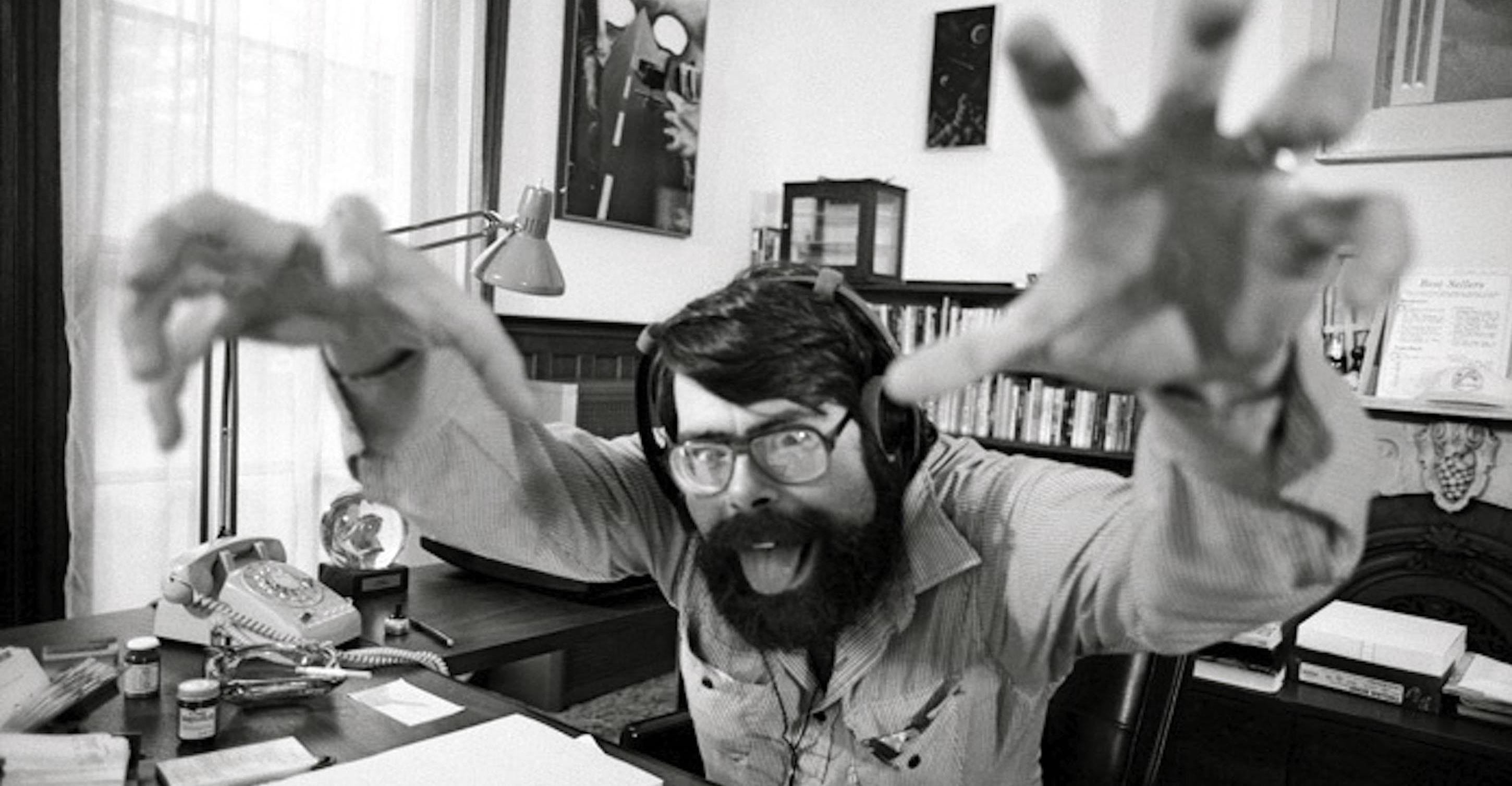
Stephen King: From Cocaine Fueled To Biohacked
In the late 1970s and early 1980s, King was in full addiction mode.
Snorting lines of cocaine to stay awake
Chain smoking cigarettes
Drinking a case of beer a night
He wrote at such a manic pace that he sometimes stuffed cotton in his nose to stop the bleeding. In interviews, he has described that period as a blur of powder and typewriter keys.
He chased the myth that drugs and alcohol gave his stories their edge, that altered consciousness somehow made the words flow. Looking back, he calls that belief one of the great pop intellectual myths of our time.
By the mid 1980s, his health collapsed.Friends staged an intervention. He detoxed, went to rehab, and slowly began rebuilding both his body and his process.
He quit drinking, stopped using cocaine, slept again, ate regular meals, started walking daily, and made writing an early morning discipline instead of an all night siege.
The outcome speaks for itself. Since getting clean, King has written more than forty books. Once his dopamine stopped swinging and his stress hormones calmed down, his creative focus sharpened.
By truly taking care of his body, King did not lose his edge.
He gained control of it.

Haruki Murakami: The Biohacked Writer
Haruki Murakami is the opposite archetype.
He is the disciplined, optimized creative.
In What I Talk About When I Talk About Running, he describes the routine he has followed for decades: up at 4 a.m., write for five or six hours, then run 10 kilometers or swim 1,500 meters in the afternoon, and be in bed by 9 p.m.
He calls writing a long novel a form of survival training and insists that physical strength is just as essential as artistic sensitivity.
Imagine being truly healthy, with low inflammation, an optimized circadian rhythm, balanced hormones, a strong gut, and steady neurotransmitter production.
When all of these systems work together, they create the foundation for becoming a sharper writer and a stronger version of yourself.
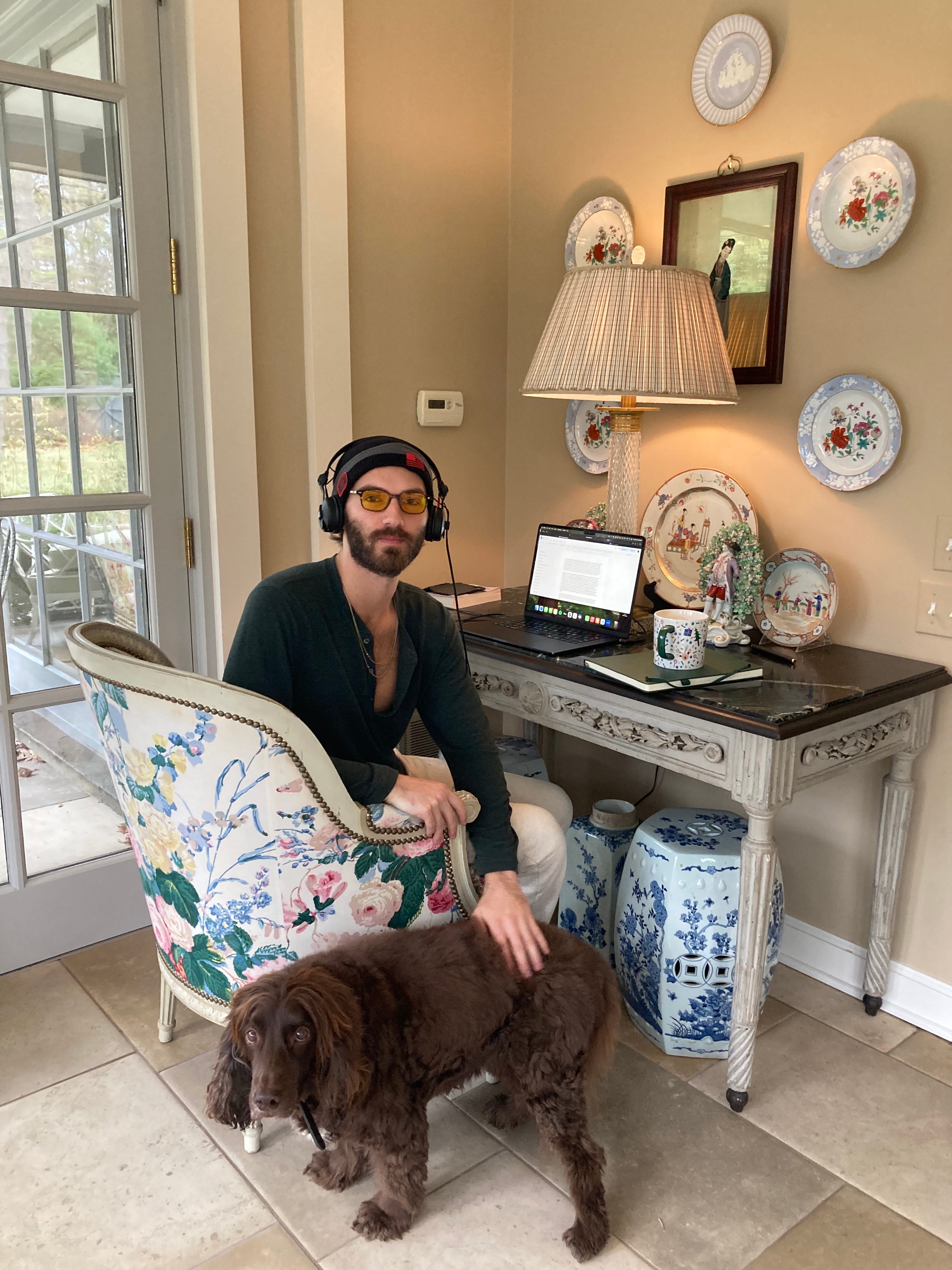
What Changed When I Got Healthy As A Writer
Here’s my archetype.
Two years ago, I hit rock bottom with my health.
I developed CIRS (Chronic Inflammatory Response Syndrome) from mold exposure in an old apartment. My body couldn’t detox properly, so inflammation stayed sky high, leaving me wiped out and super susceptible to every bug going around.
Writing? Forget it.
My brain felt like a radio stuck between stations, slightly detuned. I couldn’t find the focus or energy to string a sentence together. I’d grind for hours using every hack and tool, but the words landed flat, lifeless.
That’s when I got serious about biohacking, the stuff I teach all the time here on Biohack With Jack.
I attacked the mold toxicity head-on with binders like activated charcoal and bentonite clay, sauna sessions to sweat it out, and a full gut reset.
Then I nailed these basics:
slept a solid 8 hours
moved my body regularly (walks, light lifts)
got sunlight first thing in the morning
ate an anti-inflammatory, gut-friendly diet packed with plants, wild meats, fruits, herbs, and healthy fats like olive oil
stacked supplements like high-dose fish oil, creatine, essential amino acids, and soil-based probiotics
Health didn’t hand me euphoria or lightning-bolt inspiration.
It gave me rock-solid stability. The steady, quiet focus I needed to dig into deep creative work without my thoughts derailing.
Now when my body and mind line up, writing flows naturally. Words hit harder.
And yeah, you feel incredible doing it.
That’s the real power of fixing the root cause, not just masking symptoms.
Daily Biohacks Every Writer Should Practice
Writing at your highest level starts long before you open your laptop.
The way you move, eat, sleep, and recover sets the tone for your focus and creativity.
Here are simple daily biohacks that sharpen your brain, increase flow, and make writing feel easier.
1. Optimize Your Morning Routine
When you wake up, avoid your phone for a few minutes. Start by moving gently.
Do five minutes of light tai chi shaking or slow joint circles to get energy moving through your body.
Then take a 20 to 30 minute walk and focus on deep, slow breathing.
This wakes up your nervous system, increases blood flow to your brain, and sets you up for calmer, clearer thinking when you sit down to write.
2. Get Sunlight In Your Eyes Within 30 Minutes Of Waking
Morning light tells your brain that the day has started. It resets your internal clock, boosts serotonin, and helps regulate melatonin for better sleep at night.
If you cannot step outside right away, open a window and face the natural light while you breathe deeply. This simple habit can improve your mood and focus for the rest of your writing day.
3. Hydrate With Minerals Before Your Coffee
Before you reach for caffeine, drink 12 to 16 ounces of mineral rich water.
Good options include:
Kaizen minerals added to water. Use code: BIOHACKWITHJACK
Heavy metal free salts like Diamond Sea Salt in filtered water
A high quality filter such as AquaTru to clean your base water
These minerals support mitochondrial energy production, which helps you stay focused and energized through long writing sessions without the jitters and crashes that come from drinking coffee on an empty system.
4. Move Often With Short Workout Snaps
Your body drives your brain. Instead of one long workout, sprinkle small, intense movements throughout the day.
For example:
15 squats when you refill your water
10 push ups before lunch
A 10 minute walk after meals
30 seconds of kettlebell swings or jump squats in the afternoon
A few minutes of stretching or mobility work before bed
These micro sessions keep your circulation and dopamine steady, which helps your imagination stay sharp and your mood stable while you write.
Also your metabolism stays boosted all day long and you keep fat burning on like a furnace!
5. Protect Your Sleep Like It Is Part Of Your Writing Process
Sleep is where creativity consolidates. During deep sleep, your brain files and organizes memories, language, and story ideas.
Aim for 7.5 to 8 hours of sleep, with a consistent bedtime and wake time. To support this:
Keep lights dim for two hours before bed
Avoid screens, or wear blue light blockers if you must use them
Use magnesium glycinate or herbal teas like chamomile or lemon balm to help you relax if needed
When you are well rested, you can think metaphorically, make deeper connections, and write with more emotional clarity.
The Real Decision
It sounds simple, right? Health is wealth.
But for writers, health is something more—it’s the foundation of creative excellence. The energy, clarity, and mental endurance you build in your body are the same traits that sustain great writing.
That’s what I plan to explore here, on this blog: how to align mind, body, and creativity to produce your best work.
Thank you for reading—I genuinely love this community.
What a fantastic read! Thank you for sharing. I've been slowly getting back into the morning routine rhythm of exercise and writing and avoiding phone, after a shoulder injury derailed me. This is motivational for me to keep on keeping on. thanks!