


“Dig into your toes!!!! Belly button UP!”
I slam down hard on my ass. Left quad to be precise.
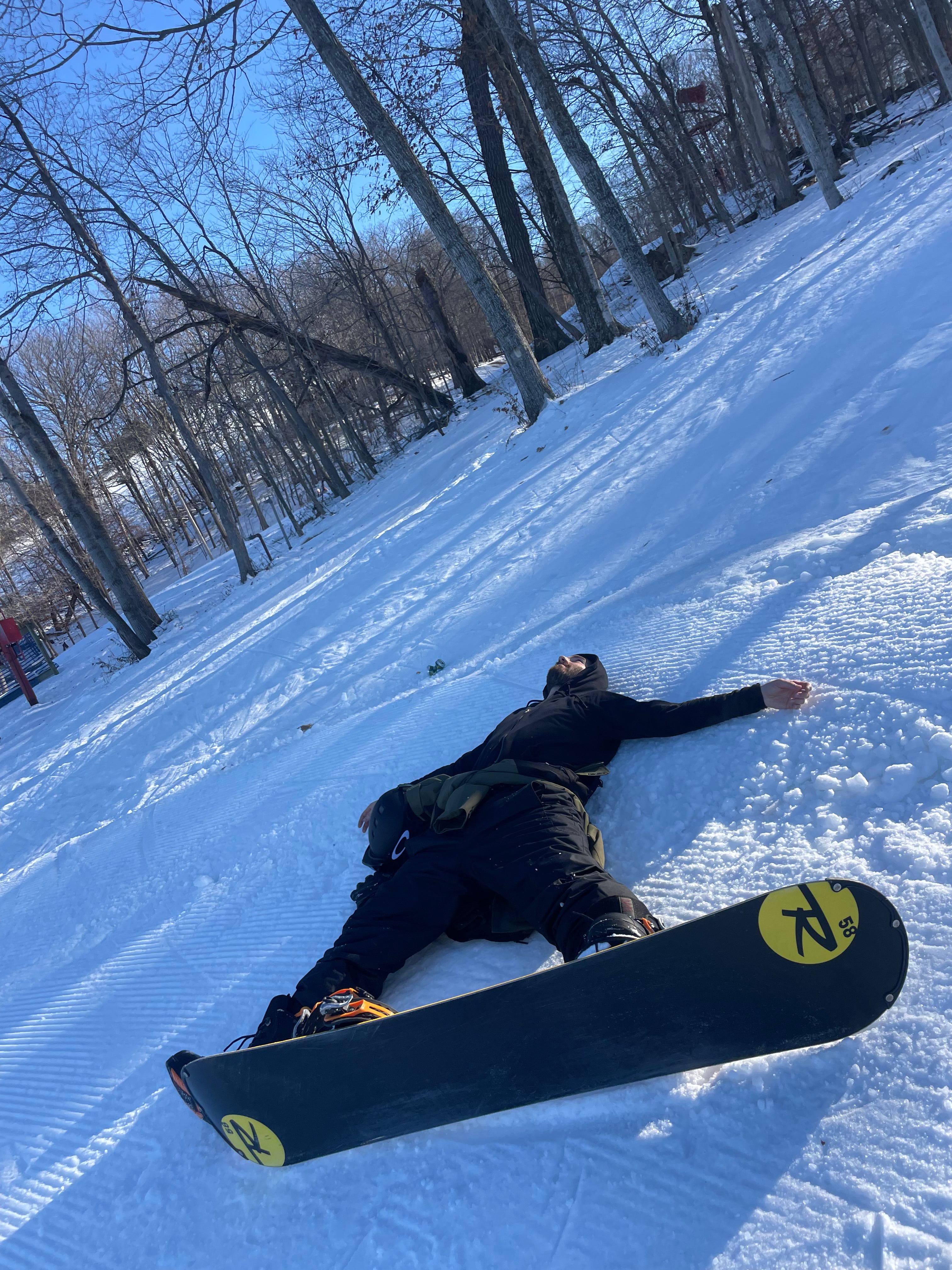
It’s hour 3 on Alpine Valley bunny hill. Little kids are lapping me and blowing snow in my face as I lay flat on my back.
It’s my first time snowboarding and holy crap is it harder than I thought.
Here’s something you should know about me: I’m impatient, and I always like to push things to the upper echelon.
I thought training for 5 hours straight would help me get better.
Maybe it did, but now I felt like I ran a marathon, and my ass hurts like I got beat up. This was not ‘hesh’ at all.
Every muscle fiber was screaming. And I needed to recover fast.
The challenge? I was at home in Chicago for the holidays without my full biohacking arsenal.
No red light panel. No NormaTec compression boots. No hyperbaric chamber down the street.
But here’s the thing about true biohacking: you don’t need fancy gadgets to upgrade yourself.
Most biohacking tools come from nature—just in an extracted or enhanced form. And the cool thing is, once you understand the fundamentals of your biology, you can mix and match different modalities and “stack” them for amplified effects.
Whether you’re dealing with DOMS after leg day or need post-workout recovery that actually works, understanding your recovery systems changes everything.
So today I’ll share the 8 hacks I used to recover from serious shredding on the slopes—and why they work so well together.
The Functional Medicine Framework: Why Recovery Is a Multi-System Event
Before I share the hacks that fixed my broken body, let me explain what I’ve learned about recovery. It’s more than just sore muscles.
From a functional medicine perspective, post-exercise recovery involves several interconnected systems:
The Inflammatory Response: Your immune system releases messengers called cytokines (immune signaling molecules) to initiate tissue repair.
Mitochondrial Function: Your cellular powerhouses need nutrients and oxygen to produce the ATP required for tissue regeneration.
The Autonomic Nervous System: Shifting from sympathetic (”fight or flight”) to parasympathetic (”rest and digest”) is essential for healing.
Fascial and Muscular Tissue: Breaking down adhesions and microtrauma while supplying amino acids for rebuilding.
The Cardiovascular System: Delivering nutrients and oxygen while removing metabolic waste products.
The Endocrine System: Balancing cortisol, growth hormone, and testosterone to optimize tissue repair.
All of these systems activate when you’re recovering from a hard workout or healing from an injury.
Once you understand these multiple systems, it allows you to shift from a “whey protein shake and call it a day” approach to “let’s optimize all components of recovery.”
Here’s why I chose these specific 8 hacks: They’re accessible (most are free or low-cost), backed by solid research, and—most importantly—they work synergistically across all six recovery systems.
You’re not just addressing one issue; you’re orchestrating a whole-body reset.
So I’ll share each hack and how it targets one or more of these recovery systems.
That’s the beauty of a functional medicine approach.
WHEN YOU’LL NOTICE RESULTS:
Immediately: Energy, mental clarity, mood lift (from contrast therapy, breathwork, gratitude)
2-4 hours: Reduced muscle soreness (from foam rolling, contrast therapy)
24 hours: Improved sleep quality (from CBN/CBD, gratitude practice)
48-72 hours: Significantly reduced DOMS and faster return to training
Pressed for Time? Start Here.
The 20-Minute Power Protocol:
10 minutes: Contrast shower
5 minutes: Foam rolling
5 minutes: Breathwork
That's 80% of the benefits in the time it takes to scroll TikTok.
The 8 Recovery Hacks
(Below, I'll show you exactly how each one targets your body's recovery systems—and why they work so well together.)
1. Contrast Therapy (Hot/Cold Cycles) for Muscle Recovery
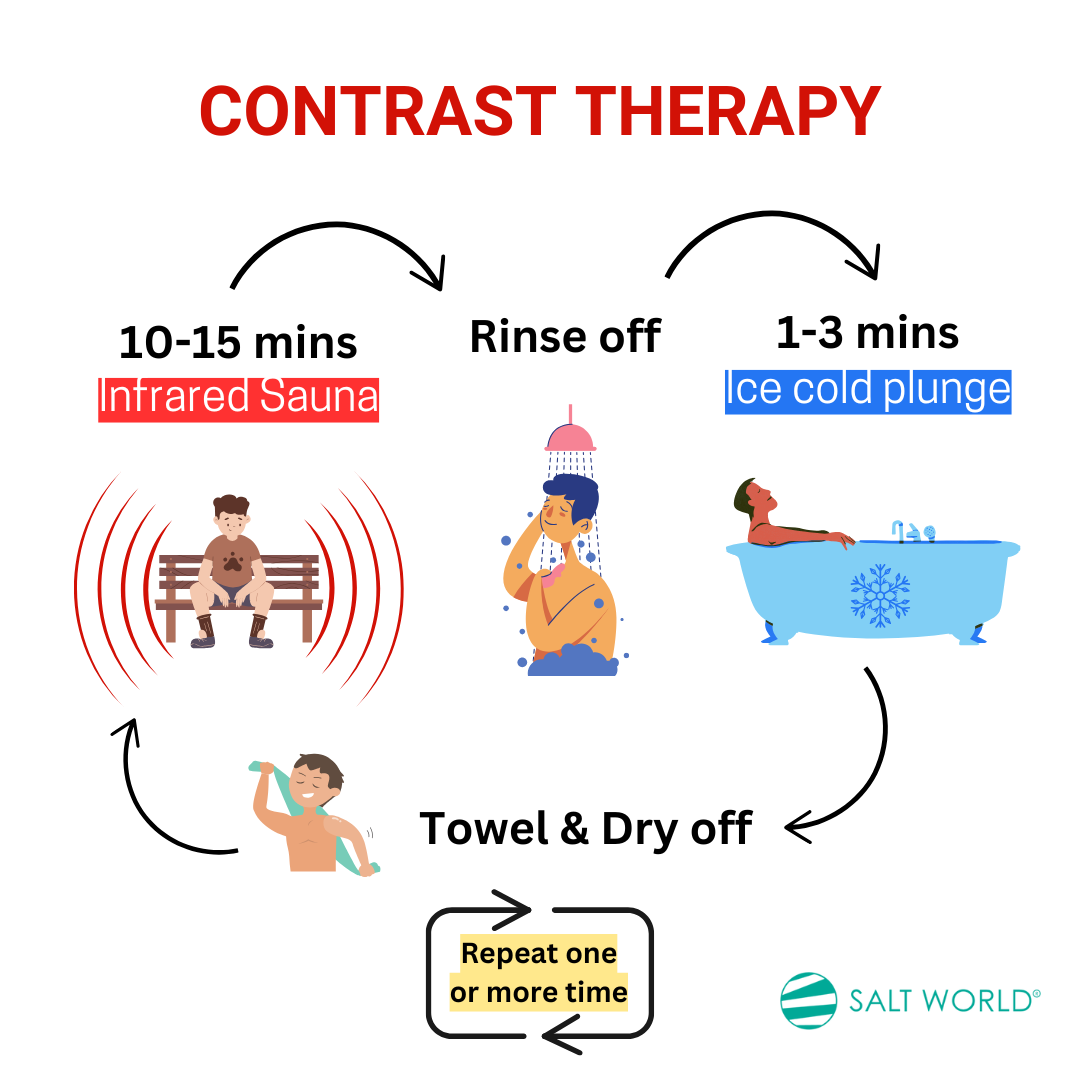
What I Did: Alternated between 3 minutes of hot water and 1 minute of cold water for 4 rounds in the shower.
Quick Science: Hot-cold cycling = vascular workout that flushes waste, reduces inflammation, and boosts metabolism—all for free.
Here’s What’s Happening at the Physiological Level:
When you expose your body to cold, your blood vessels constrict (vasoconstriction). When you switch to heat, they dilate (vasodilation).
This repeated cycling is essentially resistance training for your cardiovascular system.
This contrast is also incredible for modulating inflammation, mitochondrial function, and the nervous system by stressing your body out a bit with the hot and cold, then downregulating your system.
Research published in the Journal of Applied Physiology shows that contrast therapy significantly reduces muscle soreness and accelerates the removal of metabolic waste products like lactate.
But the benefits go deeper:
Improves blood vessel elasticity
Enhances circulation to injured tissues
Stimulates the release of norepinephrine — a neurotransmitter that reduces inflammation
Contrast therapy also activates brown adipose tissue (BAT), which improves metabolic function and insulin sensitivity. Studies show cold exposure activates BAT, turning your body into a more efficient metabolic machine.
So while you’re recovering, you’re also optimizing your metabolism.
This contrast therapy targets basically every single recovery system. And it’s free if you have a shower.
How to Implement:
Start with hot water (as hot as comfortable) for 3 minutes
Switch to cold water (as cold as you can tolerate) for 1 minute
Repeat 3-4 rounds, always ending on cold
Do this within 2-4 hours post-exercise for maximum benefit
💡 Pro Tip: Always finish contrast sessions on cold. Ending with heat can worsen inflammation and swelling, while cold vasoconstriction helps seal in the benefits and provides that energized feeling that carries into your day.
Alternative Options:
Sauna (15-20 minutes) followed by cold plunge or ice bath (2-3 minutes)
Hot bath with Epsom salts followed by cold shower
⚠️ Can’t Do Cold Therapy?
If you have cardiovascular conditions, Raynaud’s phenomenon, or cold sensitivity, you can still get recovery benefits through:
Heat therapy alone (sauna + rest)
Compression therapy
Gentle movement + stretching
Always consult your healthcare provider before starting contrast therapy
2. Grounding (Earthing): Free Recovery Hack for Inflammation
What I Did: Walked barefoot in the snow for 10 minutes.
Quick Science: Direct earth contact = free electron transfer that thins blood, reduces inflammation, and calms your nervous system.
I know what you’re thinking: “Walking barefoot in Chicago winter? This guy is nuts.”
Yes I am. Here’s why I do it.
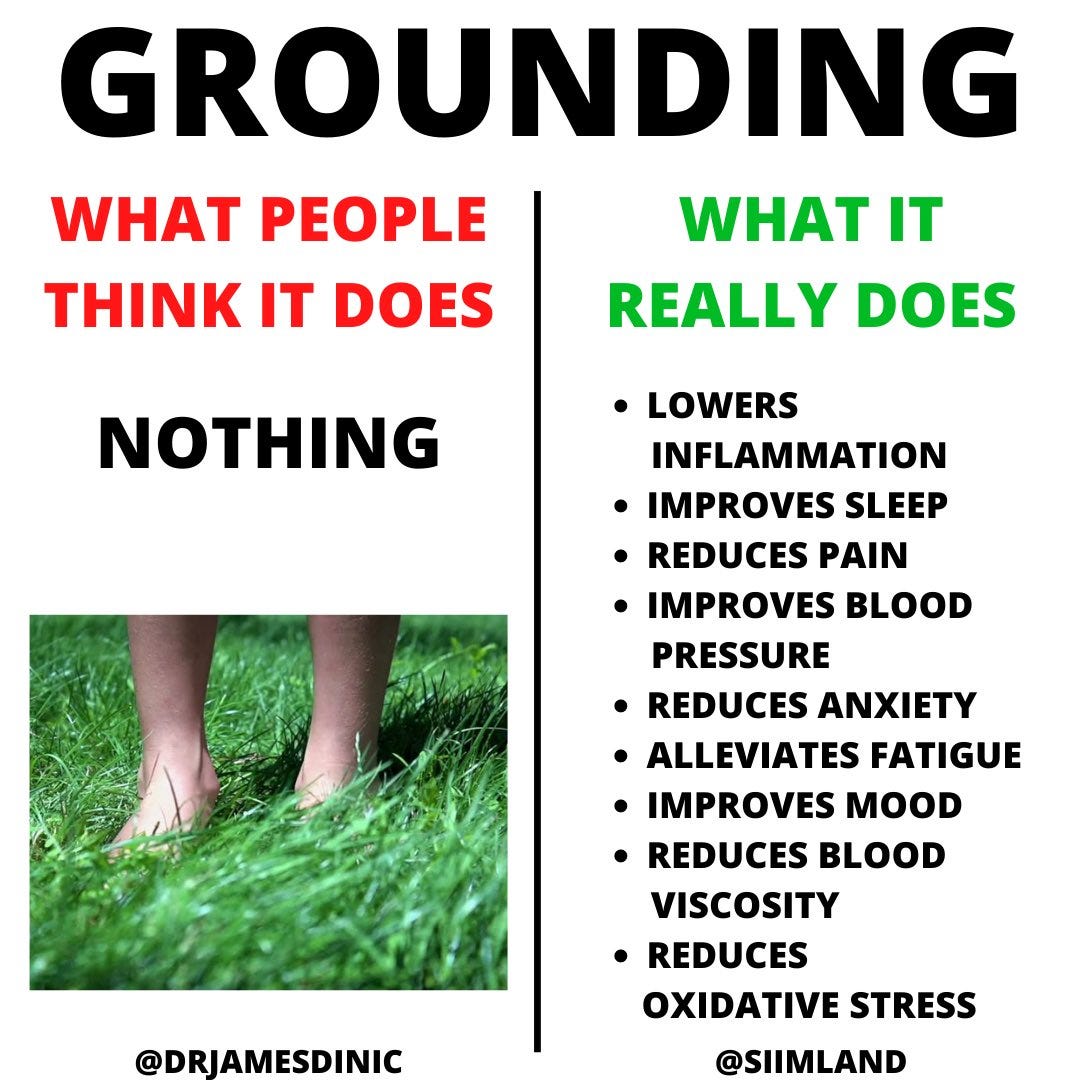
A groundbreaking study published in the Journal of Inflammation found that grounding reduces blood viscosity (thickness), which is a major factor in cardiovascular disease.
How Does This Happen?
The Earth carries a negative electrical charge, and when you make direct contact, free electrons transfer into your body.
These electrons act as antioxidants, neutralizing free radicals generated during exercise and in daily life.
Thinner blood means better oxygen and nutrient delivery to recovering tissues.
Other Benefits of Grounding:
Reduces inflammation markers like C-reactive protein
Improves sleep quality by regulating cortisol rhythms
Accelerates wound healing
Reduces muscle damage and pain perception
Shifts you from sympathetic dominance into parasympathetic activation
Once again, we’ve targeted multiple recovery systems through a completely free practice.
The Snow Bonus:
Walking barefoot in snow provides dual benefits: cold exposure (reducing inflammation) + earth contact (electron transfer). Plus, the cold forces you to focus, making the grounding more intentional—a mindfulness practice disguised as a biohack.
How to Implement:
Walk barefoot on grass, dirt, sand, or even snow for 20-30 minutes
Combine grounding with cold water immersion if you’re near a lake or ocean (double benefit)
Water is another form of grounding, so if you live near warm or cold water, make sure to get in
Alternatives for Apartment Dwellers:
Grounding mats exist, but here’s the catch: they need to connect to actual earth ground to be effective. In apartments, they aren’t usually that effective unless you can connect them to a proper ground. Your best bet is to get outside regularly and make direct contact with natural surfaces.
3. Breathwork for Post-Workout Parasympathetic Activation
What I Did: 3 rounds of Wim Hof breathing followed by 4-7-8 relaxation breathing.
Quick Science: Controlled breathing = oxygen manipulation that activates healing genes + calms nervous system for faster recovery.
Maybe you’ve heard breathwork can help with stress and anxiety. This is true!!!
But the benefits go way beyond stress relief, and they’re very specific to recovery.
Here’s why:
The Science of Breathwork for Recovery:
Controlled breathwork creates transient hypoxia (temporary oxygen deprivation), which triggers the release of hypoxia-inducible factor 1-alpha (HIF-1α).
This transcription factor activates genes involved in tissue repair, blood vessel formation, and stem cell mobilization.
So when you do long breath holds, you’re activating healing abilities from within!
The rapid breathing phase (like Wim Hof method) also creates an alkaline environment in your blood, which helps buffer the acidic metabolic waste products generated during exercise.
Then, when you switch to slow, deep breathing (like the 4-7-8 technique), you activate the vagus nerve—the master controller of your parasympathetic nervous system, which is key for “rest and digest” or “rest and repair” mode.
Research from the International Journal of Yoga shows this decreases cortisol, reduces inflammation, and enhances immune function.
So once again, we’re targeting multiple recovery systems!
Breathwork Protocols:
Wim Hof Breathing (3 rounds):
Take 30-40 deep breaths (fully in, relaxed out)
After the last exhale, hold your breath as long as comfortable
Take a deep breath in and hold for 15 seconds
Release and relax for 30 seconds before the next round
4-7-8 Relaxation Breathing (5-10 minutes):
Inhale through your nose for 4 counts
Hold for 7 counts
Exhale through your mouth for 8 counts
Repeat 8-10 times
💡 Jack’s Resource:
I use Breathe With Sandy every single day for guided breathwork sessions. The videos makes it easy to follow structured protocols without having to count or time yourself. Plus some epic binaural beats, all for free!!!
4. Foam Rolling: The Ultimate DOMS Recovery Tool
What I Did: 15 minutes of targeted foam rolling on quads, IT bands, glutes, and thoracic spine.
Quick Science: Foam rolling = myofascial release that reduces inflammation, improves blood flow, downregulates nervous system, and accelerates recovery by 30-40%.
Foam rolling is more than just a torture device that “rolls out your muscles.”
Research published in the Journal of Athletic Training shows it’s a strategic way to:
Reduce inflammation
Improve blood flow
Activate the nervous system (shifting from “fight or flight” to “rest and digest”)
Increase blood flow to tissues by up to 40%
Activate the lymphatic system to remove metabolic waste
Reduce delayed onset muscle soreness (DOMS) by 30-40%
Improve range of motion without decreasing muscle performance
Enhance sleep quality
The Recovery System Connection:
So this “torture device” actually aids the nervous system—when downregulated, it helps recovery. Relaxed muscles promote deep sleep, which aids endocrine function and immune function. Increased blood flow brings nutrients to tissues and cells.
Overall, we’re once again targeting multiple systems in the body!
How to Foam Roll Effectively:
Technique:
Spend 1-2 minutes on each major muscle group
Roll slowly (1 inch per second)—not just fast back and forth
When you find a tender spot, pause for 20-30 seconds
Breathe deeply while you roll (don’t hold your breath)
Priority Areas Post-Snowboarding/Intense Training:
Quads
IT bands
Calves
Glutes
Hip flexors
Thoracic spine
Why This Works for Sleep:
When you downregulate the nervous system through foam rolling, you’re telling your body it’s safe to shift into repair mode. Relaxed, tension-free muscles signal to your brain that it’s time to produce the hormones needed for deep, restorative sleep.
This creates a positive feedback loop: better sleep → better recovery → better performance → less tension → better sleep.
5. CBD & CBN: Natural Recovery Supplements for Sleep & Inflammation
What I Used: 25mg CBN + 150mg CBD before bed.
Quick Science: Non-psychoactive cannabinoids = powerful anti-inflammatory compounds that reduce pain, promote deep sleep, and modulate multiple recovery systems simultaneously.
Most people only know about THC, the psychoactive compound in cannabis.
But the plant contains over 100 different cannabinoids, each with unique therapeutic properties. And this plant modulates multiple systems in the body.
For recovery, these three are game-changers:
The Recovery Cannabinoids:
CBN (Cannabinol): The Sleep Cannabinoid
Known as “the sleepy cannabinoid”
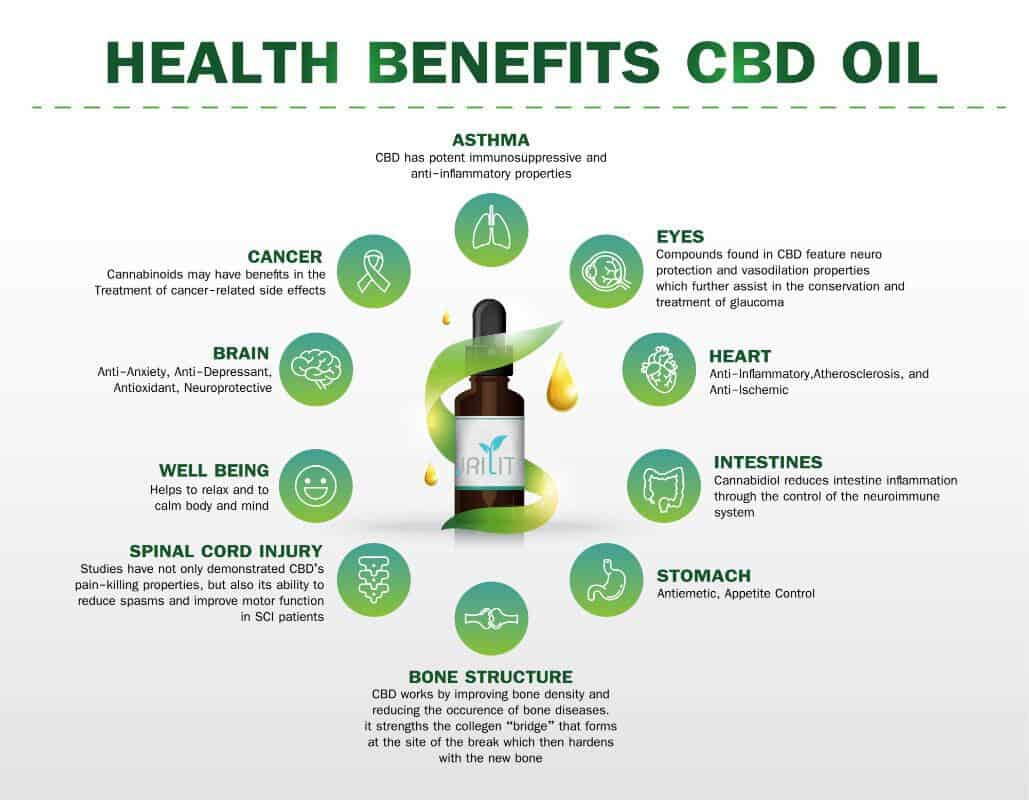
Binds to CB2 receptors in your immune system, reducing inflammation while promoting deep, restorative sleep
Research suggests 5mg of CBN may have sedative effects comparable to low-dose pharmaceutical sleep aids, though more studies are needed
No side effects or dependency risk like traditional sleep medications
CBD (Cannabidiol): The Anti-Inflammatory Powerhouse
One of the most powerful anti-inflammatory compounds in the plant kingdom
Reduces inflammatory cytokines (immune messenger molecules) and activates adenosine receptors, which regulate pain perception
Neuroprotective—important after any injury or intense exercise
Amazing for sleep architecture (the quality and structure of your sleep cycles)
CBG (Cannabigerol): The Mother Cannabinoid
The “mother cannabinoid” from which others are derived
Exceptional for pain management and has neuroprotective properties
Some users report nootropic-like cognitive benefits the day after taking CBG, making it useful for post-recovery mental clarity
The Multi-System Impact:
I can’t even count how many systems are being modulated and improved. Cannabinoids are more than just “getting high”—the majority of them are non-psychoactive, but the benefits they bring to the body are incredible.
The way they help with relaxation and nervous system downregulation is something we desperately need more than ever these days!
What to Look For:
When shopping for cannabinoid products:
Full-spectrum or broad-spectrum products (the entourage effect matters—cannabinoids work better together)
Third-party lab testing for purity and potency
Organic, regeneratively grown hemp
💡 Jack’s Pick: Element Health
Dosing Guidelines:
Dosing varies based on individual factors, but research suggests:
CBD: 15-250mg for recovery (wide range due to individual variation)
CBN: 10-30mg for sleep (start low)
CBG: 10-20mg for pain and cognitive support
⚠️ Start Low: If you’re new to cannabinoids, begin with the lowest doses (5-10mg CBD, 5mg CBN) and adjust up based on how you feel. These compounds affect everyone differently based on body weight, metabolism, and endocannabinoid system function.
Legal Note: These cannabinoids are federally legal in the US (derived from hemp with <0.3% THC), but check your local regulations.
6. Bone Broth: Ancestral Recovery Superfood for Athletes
What I Had: Two big bowls of my mom’s homemade chicken soup (made with bone broth).
Quick Science: Slow-simmered bones = bioavailable collagen, glycine, and minerals that rebuild connective tissue, support longevity, and accelerate recovery.
When I walked in from the slopes, my mom had a pot of chicken noodle soup simmering on the stove. I already knew I was set up for great recovery.
Bone broth, although expensive if you buy it, barely costs anything to make and is like the coolest supplement on planet earth.
What’s Inside Bone Broth?
Glycine: The Longevity Amino Acid
One of the most important longevity nutrients we know of
Research from GeroScience shows glycine extends lifespan in animal models by supporting mitochondrial function and reducing oxidative stress
A precursor to glutathione, your body’s master antioxidant
Supports deep, restorative sleep
Collagen and Its Building Blocks
Your body needs collagen to rebuild connective tissue, skin, organs, and joints
Bone broth is loaded with collagen and its building blocks: glycine, proline, and hydroxyproline
Studies show collagen supplementation reduces joint pain, improves skin elasticity, and accelerates wound healing
Particularly important after impact sports like snowboarding
Glycosaminoglycans (GAGs)
These compounds, including glucosamine and chondroitin, support cartilage health and joint integrity
Critical for bone density and overall skeletal health
Particularly important after impact sports like snowboarding
Minerals: The Enzymatic Cofactors
Bone broth contains bioavailable calcium, magnesium, phosphorus, and trace minerals
These minerals act as cofactors for hundreds of enzymatic reactions involved in recovery
The long simmer time with apple cider vinegar helps extract minerals from the bones
How to Make or Find Quality Bone Broth:
Make Your Own:
Simmer bones for 24-48 hours with apple cider vinegar (helps extract minerals)
Use grass-fed beef bones or organic chicken bones
Add vegetables in the last few hours for additional nutrients
Buy Quality:
Favorite Brand: Bonafide Provisions
Look for organic, grass-fed sources, regenerative sources!
Avoid brands with additives or preservatives
💡 Jack’s Resource: Olivia Robertson-Moe has some amazing recipes!!!
7. Salt Loading: Electrolyte Recovery for Peak Performance
What I Used: Celtic sea salt in warm water (morning) + Kaizen electrolyte powder throughout the day.
Quick Science: Mineral replenishment = restored cellular voltage, optimized hydration, reduced stress hormones, and enhanced recovery at the cellular level.
When you exercise intensely, shred on the slopes, hit the sauna, or do anything that induces perspiration, you lose not just sodium, but also potassium, magnesium, calcium, and trace minerals through sweat and metabolic processes.
Your body uses minerals as enzymatic cofactors and cellular messengers—they’re essential for virtually every biological process.
These Minerals:
Regulate fluid balance and hydration at the cellular level
Support adrenal function and cortisol regulation
Act as cofactors for muscle contraction and relaxation
Enable proper nerve signal transmission
Support cellular voltage (your cells need the right electrical charge to function)
Improve insulin sensitivity
Reduce stress hormones
Support cardiovascular function during exercise recovery
There are so many processes going on in the human body that depend on minerals. I recommend just staying topped up.
Salt Quality Matters:
Regular table salt is just sodium chloride. Quality sea salt contains 60+ trace minerals your body needs.
However, sea salt quality varies. Some contain heavy metals from ocean pollution. Diamond Crystal sea salt has very low heavy metal content, making it one of the cleanest options.
My Protocol:
Morning: 1/4 teaspoon Celtic, or Diamond sea salt dissolved in 16oz warm water with lemon (wakes up the digestive system and supports morning cortisol production)
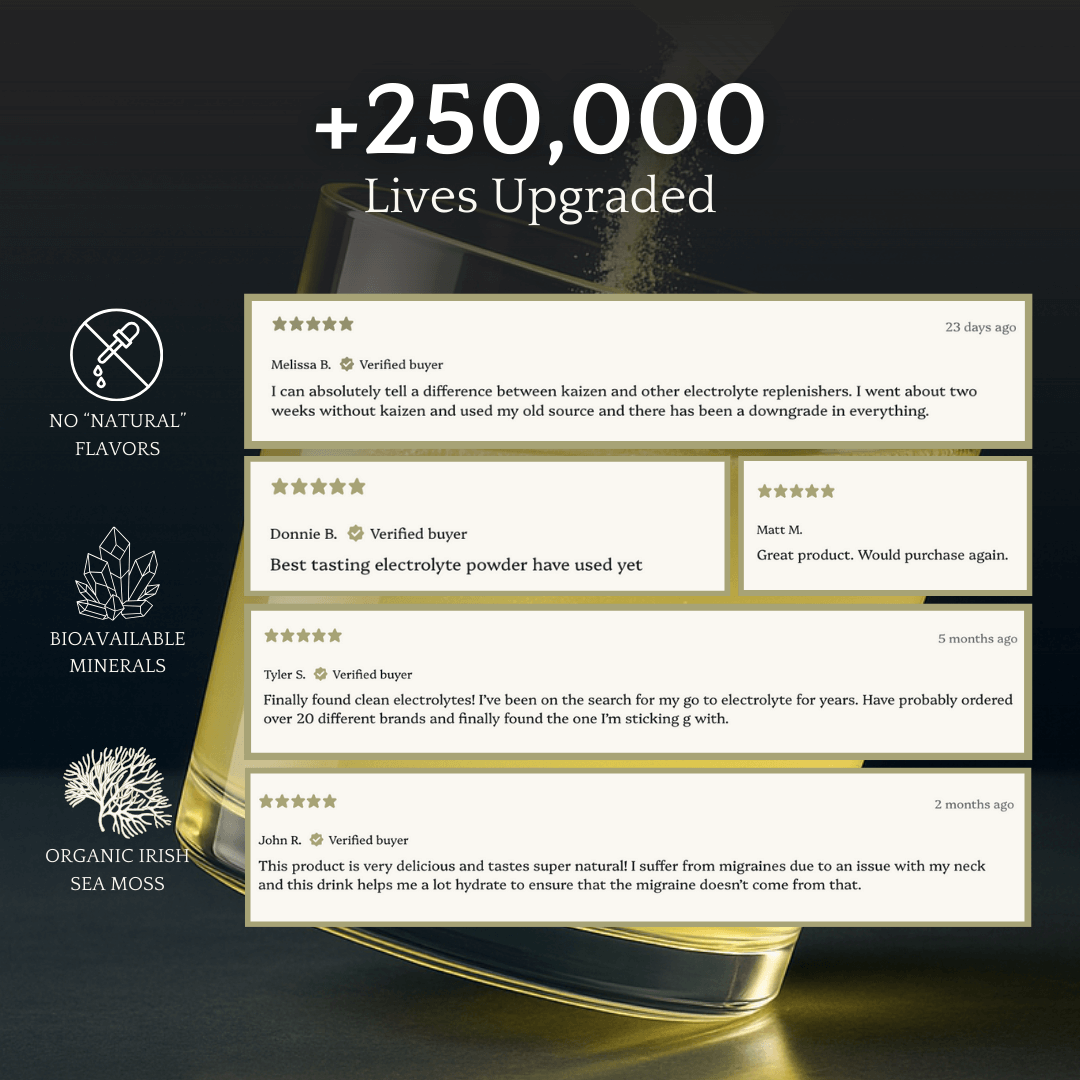
Throughout the day: Kaizen electrolyte powder (Use code: biohackwithjack for 10% off)
With meals: Generous salt seasoning to taste
💡 Jack’s Pick: Kaizen Hydration
The cleanest electrolytes I’ve ever had! Balanced minerals without artificial sweeteners or junk ingredients.
Use Code: biohackwithjack for 10% off
Important Considerations:
⚠️ Medical Considerations:
If you have kidney disease or hypertension, work with a functional medicine practitioner on salt intake
Use mineral-rich salts (Celtic, Colima, Diamond Crystal)
Balance sodium with potassium-rich foods (avocado, leafy greens, coconut water)
The key is balance. Don’t just load sodium—ensure you’re getting adequate potassium and magnesium as well.
8. Gratitude Practice: The Overlooked Recovery Biohack
What I Did: Wrote down 5 things I was grateful for and said “thank you, thank you” out loud.
Quick Science: Gratitude = reduced inflammation markers, increased parasympathetic tone, improved sleep, and lowered stress hormones—all through simple mindfulness.
This might sound cheesy in an article about recovering from a hard workout, but you better humble that ego and take out your journal because expressing gratitude has some pretty powerful recovery effects.
Research from the Journal of Psychosomatic Research shows that gratitude practices (like writing 5 things you’re grateful for in your journal, or saying words like “thank you, thank you” throughout the day) can:
Reduce inflammatory markers like IL-6 and CRP
Increase heart rate variability (HRV) — a marker of parasympathetic activation and recovery capacity
Improve sleep quality by 25%
Decrease cortisol by up to 23%
Activate the vagus nerve — your body’s main recovery pathway
It also rewires your brain toward positive neuroplasticity and creates a physiological environment that supports healing.
The Mind-Body Recovery Connection:
When you’re grateful, your body literally shifts into a different state. Your nervous system downregulates. Your inflammation decreases. Your sleep improves. Your stress hormones normalize.
This isn’t woo-woo—it’s measurable physiology.
Try it tonight.
My Gratitude Practice:
Before bed, write down 5 specific things you’re grateful for
Say “thank you, thank you” out loud after each one
Feel the genuine appreciation in your body (this activates the vagus nerve)
What I’m Grateful For:
My sister’s patience teaching me to snowboard
My body’s resilience despite the slamming
My mom’s bone broth and the warmth of home
Access to knowledge about how to optimize recovery
You, for reading this and trusting me to share what I’ve learned
Putting It All Together: Your Recovery Protocol
So there you have it—8 biohacks that will help you recover like Wolverine, a superhuman, or a lizard. You’ll feel great!
Here’s roughly how I implement them:
Day 1 (Post-Snowboarding/Intense Training):
Immediately: Light movement and stretching (20 minutes)
Hour 2: Contrast shower (hot/cold cycles)
Hour 3: Foam rolling (15 minutes)
Hour 4: Bone broth-based dinner
Evening: Wim Hof breathing (3 rounds) + 4-7-8 relaxation breathing
Before bed: 25mg CBN + 150mg CBD, gratitude practice
Sleep: 8 hours
Day 2 (Full Recovery Day):
Morning: Salt water + lemon, light walk outside (grounding)
Mid-morning: Contrast shower
Afternoon: Foam rolling + stretching
Throughout day: Electrolyte-rich hydration, bone broth
Evening: Gentle movement, more breathwork
Before bed: Another round of CBN/CBD, gratitude practice
Tiered Protocols for Busy Professionals:
Minimum Effective Dose (20 minutes):
10 minutes: Contrast shower
5 minutes: Foam rolling
5 minutes: Breathwork
Optimal Protocol (60 minutes):
15 minutes: Contrast shower
15 minutes: Foam rolling
10 minutes: Breathwork
20 minutes: Grounding walk
Full Recovery Day (3+ hours):
Follow the Day 1 or Day 2 protocol above
Recovery Is a Skill You Can Master
The functional medicine approach to recovery recognizes that your body is an interconnected system. You can’t just ice a muscle and expect full healing.
You need to:
Modulate inflammation systemically
Support mitochondrial function
Balance your nervous system
Provide the right building blocks (amino acids, minerals)
Optimize circulation and waste removal
Create the psychological environment for healing
This is what separates good recovery from extraordinary recovery.
The protocol I shared works with whatever you have available.
No fancy equipment required—just knowledge, intentionality, and consistency.
A Final Note: The Journey Continues
I decided to dive into this world of holistic health and biohacking because I wanted to find ways to make myself feel better after struggling with unexplainable symptoms for years.
I’m truly blessed to have gone to the extremes to find answers, to have tested hundreds of interventions, and to now be able to share what works.
If you’re dealing with unexplainable fatigue, mood issues, chronic pain, or just want to optimize how you feel day-to-day, I’m here for you. Shoot me a DM. I’m happy to set up a free call and help you create a personalized recovery and optimization plan.
Here’s to many more adventures (with faster recovery times).
Resources for Further Exploration
Functional Medicine Institutes and Practitioners:
Institute for Functional Medicine (IFM.org)
Dr. Mark Hyman’s resources (DrHyman.com)
Dr. Jeffrey Bland’s work on systems biology
Recommended Reading:
“Boundless” by Ben Greenfield — Comprehensive biohacking bible
“The Salt Fix” by Dr. James DiNicolantonio — Eye-opening research on sodium
“The Wahls Protocol” by Dr. Terry Wahls — Functional medicine approach to autoimmune conditions
Anything by Dr. Jeffrey Bland on functional medicine
Where to Find Quality Products:
Bone Broth:
Bonafide Provisions
Cannabinoids:
Element Health
Electrolytes:
Kaizen Hydration (Code: biohackwithjack)
Quality Salt:
Celtic Sea Salt
Diamond Crystal
Foam Rollers:
TriggerPoint
RumbleRoller
Functional Medicine Databases:
PubMed for peer-reviewed research
IFM’s Functional Medicine Research Database
Examine.com for supplement research
Have a great holiday, everyone. Love you all.
Note: This article is for educational purposes and based on personal experience and scientific literature. Always consult with a qualified healthcare practitioner before making significant changes to your health protocol, especially if you have existing health conditions.
This is so good! I've been taking my mom to the gym during the holidays and she is definitely feeling sore so this is perfect timing -- gonna share this with her! thanks!
This is a gold mine of information… what a great read!