

Over the last 30 years, Keto has blown up into a massive movement, with tons of social media "Keto Gurus", huge conferences like Keto Con, and keto-friendly snacks popping up everywhere you turn.
Keto fever is sweeping the world with promises of rapid weight loss, brain-boosting mental clarity, and cure-all health benefits for chronic illnesses.

But what's the real scientific deal on getting into ketosis?
Is sticking to keto long-term actually sustainable or does it mess with your hormones big time and lead to burnout?
Is it truly a miracle diet that students and athletes like us should try, or is that some wishful thinking?
Let's break down the science behind keto
Where did it come from, why it shuns sugar like nobody's business, and most importantly
Is attempting this strict no-carb life something we should even mess with?
Ketosis: Your Body’s Ancient Backup Power System 🔋
Being able to switch in and out of ketosis was historically crucial to survive inevitable famines.
When our early human ancestors endured periods of carb scarcity out on the savannah, entering ketosis allowed them to live off stored fat until carbs were plentiful again.
Even the hungry brain was able to function using ketones during these fasts.
This hardwired metabolic flexibility served us well evolutionarily.
Periodic fasting and fat-adaptation prevented starvation and optimized health for generations upon generations.

Yet in today’s modern times of constant carb abundance, we rarely tap into this ancient metabolic capability.
Maintaining continual access to dietary glucose 24/7 conflicts with our body’s expectations.
The truth is our body and brain still operate best with the metabolic flexibility to readily use both glucose and ketones.
It allows us to tap back into that intrinsic evolutionary capability of ketosis our ancestors relied on.
So in essence, ketosis is the naturally designed metabolic state that enabled humans to survive and thrive for hundreds of thousands of years.
Tapping back into this flexible fat-burning mode can therefore unlock unique benefits in today’s nourishing yet too-abundant modern food environment.
The Birth of the Keto Diet 👶
Ketones were first discovered back in the 1860s by German physician Franz Voit.
In 1921 at the Mayo Clinic, Dr. Russel Wilder coined the term “ketogenic diet” after discovering that mimicking fasting with a high-fat, low-carb regimen elicited similar benefits.
The strict formula - 4 grams fat for every 1 gram carb + protein - was found to reduce seizures for those not responding to drugs.
Though the mechanisms weren’t fully understood at the time, we now know the ketogenic diet was able to drastically curb seizures by inducing ketone body production.
By tapping into ketones as an alternative brain fuel source, neurological cellular function would stabilize.
The classic keto diet was widely implemented to treat stubborn pediatric epilepsy up through the 1940s.
Though medical interest eventually waned once new anti-seizure drugs came out, there has been a resurgence in using “medical keto” as an epilepsy therapy to this day.
Keto Hits Mainstream
The keto diet really only stepped into the spotlight in the early 1960s thanks to groundbreaking research on fasting and ketogenic dieting by Dr. Robert Atkins (yup, the founder of the famous Atkins Diet).
Dr. Atkins brought ketones into the mainstream wellness scene after experimenting with super low-carb, high-fat diets on his patients.
What he found was pretty mind-blowing - by drastically cutting carbs to only 20 grams per day, his patients’ bodies started producing these compounds called “ketones,” generated by the liver from stored fat.
Holy Grail of Diets?
Not only did ketones offer clean-burning energy, the patients reaped both physical and mental benefits.
We’re talking about fat loss, improved concentration and clarity, balanced energy levels...essentially becoming keto-adapted “superhumans” fueled by ketones instead of standard carbs.
What Dr. Atkins had uncovered through decades of research was our bodies’ brilliant backup energy source when access to standard carbs gets slashed.
A built-in fuel called ketones could optimize human performance and function in a way carbs apparently couldn't match - almost like a metabolic superpower!
The Science of Ketosis ⚗️
How Ketosis Works 🧬💪
Ketosis kicks in after 2-7 days of consuming under 50 grams of carbs daily along with increasing fat intake.
This metabolic switch flips your body from burning predominantly carbs/glucose to relying on fat and ketones for the bulk of its energy needs instead.
When carbs are restricted, insulin levels fall allowing stored body fat to be tapped for energy.
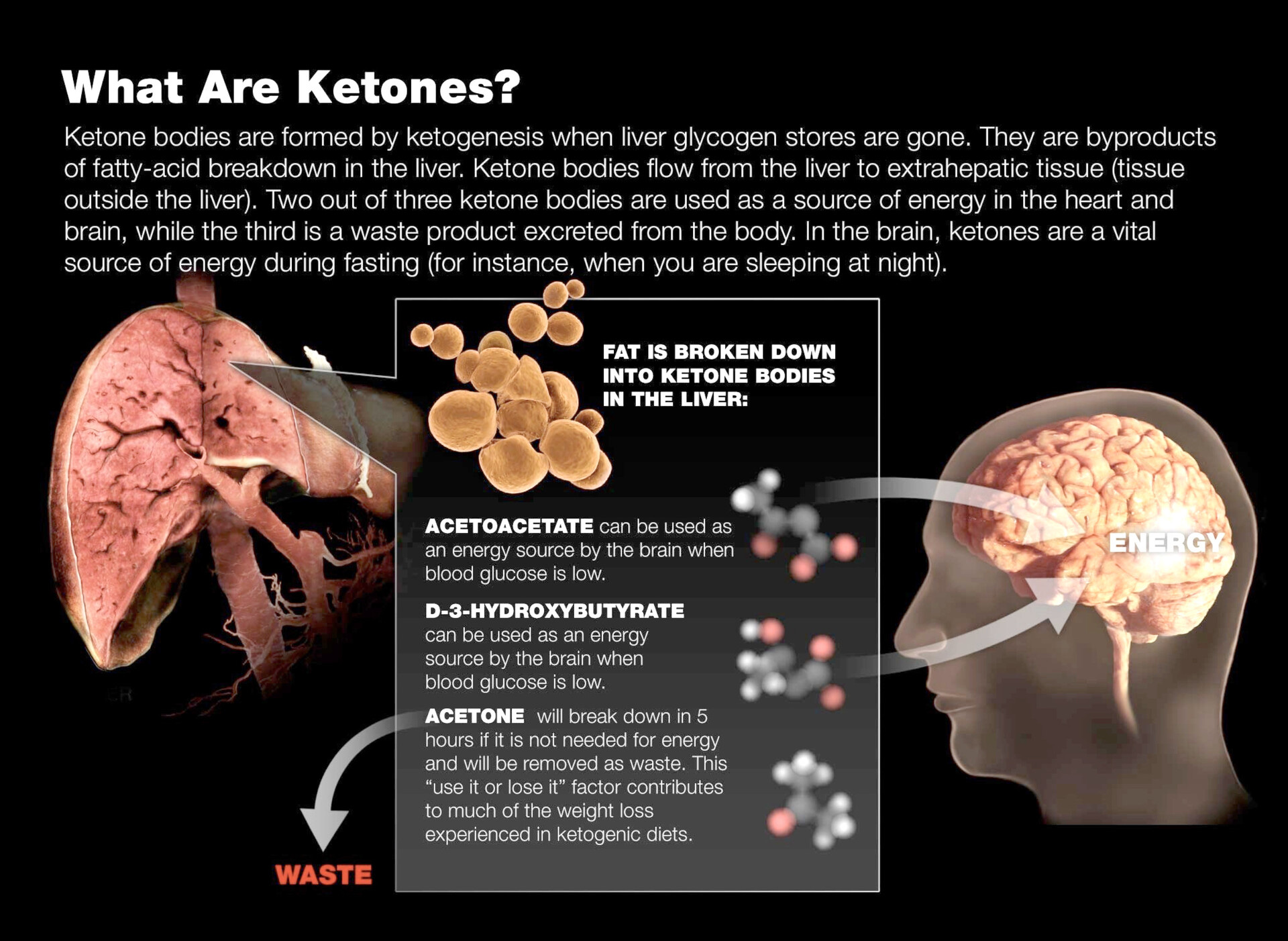
These fat stores release fatty acids into the bloodstream which the liver then transforms into “ketone bodies” - beta-hydroxybutyrate, acetoacetate, and acetone. With glucose scarce, your cells, muscles, brain, and heart adapt to run on ketones directly until carb intake rises again.
Ketone Body Breakdown🔬
The three main ketone bodies produced during ketosis are:
Acetone - expelled via breath and urine causing “keto breath”
Acetoacetate
Beta-hydroxybutyrate (BHB) - the primary player, floats through blood-brain barrier
BHB: The Brain’s Preferred Fuel👩🔬
BHB provides more energy per unit of oxygen consumed compared to glucose.
This makes it a highly efficient fuel source - hence improved mental and physical performance.
BHB offers extra benefits by crossing the blood-brain barrier and nourishing the brain directly.
Achieving Ketosis Takes Commitment
Reaching a full fat-adapted state of ketosis requires strict carbohydrate restriction for an extended period, typically 2-6 weeks.
This metabolic flexibility served us well evolutionarily.

Hence why cycling ketogenic periods can optimize health even in today’s modern nutrient environment.
So What’s Wrong With Sugar Anyway?
Now that we’ve covered the science behind entering ketosis, an important question remains - why do people want to restrict carbs and sugar in the first place?
Well, there happens to be some very compelling reasons to minimize sugar intake backed by volumes of research.
The Dangers of Excessive Sugar Intake ⚠️
As scientist Catherine Shanahan explores in depth, consuming too much sugar long-term can quietly trigger a cascade of negative health effects behind the scenes.
💉 Feeding cancer cell growth
❤️ Increasing cardiovascular disease risk
🧠 Impairing cognition 🫀 Damaging kidneys 🍊 Stressing the pancreas
👁 Aggravating eye disorders
🧬 Destroying nerve fibers
Chronically high blood sugar creates the perfect storm of inflammation, oxidative damage, and vascular complications setting the stage for diseases and organ dysfunction.
Controlling sugar and insulin spikes preserves health. 🏋️♀️
The Perks of Ketosis 🏆
When ketones are efficiently used for energy instead of glucose from carbs, you can experience:
✔️ Steady energy and mental clarity - Ketones provide an alternative brain fuel source to enhance cognition and mood stabilization.
✔️ Decreased appetite and cravings - Ketone generation is prompted by gorging on dietary fat, not deprivation from total calorie restriction. This provides superior satiety.
✔️ Improved fat burning and weight loss - Entering ketosis signals lipolysis release of stored triglycerides into free fatty acids used for fuel and ketone production. This spurs enhanced weight loss, especially visceral abdominal fat reduction.
✔️ Anti-inflammatory effects - Ketosis reduces inflammatory oxidative stress throughout the body via various metabolic pathways. This alleviates chronic inflammation-fueled conditions.
Ketosis for Athletic Performance 🏋️♂️🏃♀️
Ketones provide muscles with an efficient, high-octane fuel source sparing muscle glycogen stores.
This helps athletes tap into steady sustainable energy, delaying lactate acid burnout. Endurance athletes especially can increase their stamina and mental focus avoiding post-carb crashes.
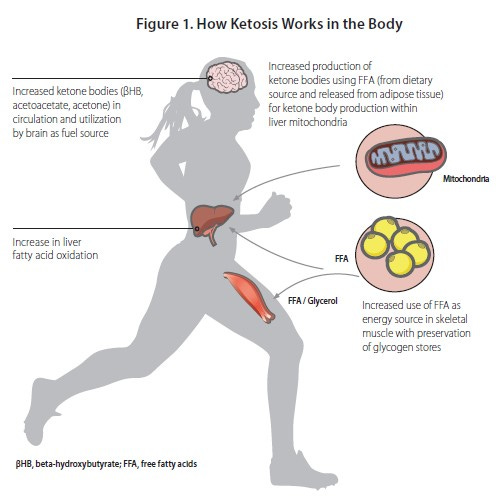
Just ensure to consume peri-workout carbs for any high-intensity training to support muscle recovery and growth.
Why Isn't Keto Always Rainbows and Unicorns?
Now, the keto diet certainly boasts some impressive benefits - from sharper mental clarity to balanced energy and more.
Yet, it's reasonable to question how an eating pattern with such positives could also cause symptoms like digestive distress, micronutrient deficiencies, poor athletic performance, and more for some people
Some other symptoms of long-term keto diet….
🚫 Thyroid dysfunction - Severely limiting carbs can restrict the conversion of inactive to active thyroid hormone leading to plateaued resting metabolism over time.
🚫 Social constraints - Carb avoidance limits dining out flexibility and can isolate you from friends and family not adhere to keto principles.
🚫 Loss of electrolytes - Insulin reduction on keto increases sodium and fluid excretion. Lack of electrolyte stability causes side effects like lightheadedness, cramps, and fatigue.
🚫 Weight cycling - Quitting keto abruptly frequently leads to rapid weight regain and a slowed metabolism from adaptive thermogenesis.
So how do we retain all of the awesome benefits of ketosis without tanking our hormones, electrolytes, and thyroid?
Cyclical Keto For the Win 🥇
The solution is implementing cyclical or targeted ketogenic dieting combined with strategic carbohydrate refeeds
What does that even mean bro??
Here’s how we do it.
1️⃣ Stay keto during the day
2️⃣ After an intense evening workout, replenish muscle glycogen with healthy carbs
3️⃣ Wake up fasted to burn ketones and body fat all morning
Here’s how to become a fat-burning machine🏃♂️ while still reaping the benefits of carbs 🍯
1️⃣ Restrict carbs under 30g daily - I stay keto all day eating delicious foods like pastured eggs 🍳, grass-fed meat, organic greens, nuts/seeds, fermented veggies, and coconut.
This keeps me steadily fueled by fat and ketones.
2️⃣ Train intensely in the evening - I lift heavy weights and play competitive tennis activating max muscle growth. 💪
3️⃣ Reward muscles with carbs post-workout - After hard training, I eat fresh organic sweet potato and fruit with raw honey, maple syrup, and raw dairy ice cream.
(yes ice cream can be healthy)
The healthy carbs refill my muscles to support recovery. 💪
4️⃣ Wake up fasted to burn ketones and body fat - By burning my evening carb load overnight, I wake up ripped and ready to burn fat again all morning. My go-to breakfast is coffee blended with coconut milk/oil, collagen, and MCTs.
🌟 My Keto Diet Hot Take 🌟
Eating a cyclical ketogenic diet allows me to get the best of both worlds. I can maintain an anabolic, muscle-building state while also reaping longevity benefits from ketosis.
My diet isn’t fully keto because I don’t restrict my protein intake to super-low levels.
But substantially reducing carbs periodically can still provide major performance and health perks by tapping into light nutritional ketosis.
I still enjoy boosting ketones without going full keto.
The Verdict?
The keto diet has been proven scientifically and anecdotally by millions to effectively treat chronic disease, spur weight loss, heal brains and bodies, and boost sports performance.
The results can be amazing!
However, long-term ketosis requires caution, especially for youth.
Those with Alzheimer’s or cancer may benefit greatly from investigating keto further.
I highly recommend looking into the extensive work of Dr. Thomas Seyfried and Dr. Natasha Winters diving deep into the healing potential of low-carb diets.
Check out some quality resources below for further learning about applying keto strategically for health or when facing illness.
Now go get keto-adapted and feel the vibrant energy of being a fat-burning machine! 🏃♀️🏃♂️
Additional Ketogenic Resources
Keto for Alzheimer's and Brain Health
- https://www.ncbi.nlm.nih.gov/pmc/articles/PMC2367001/ - Study on ketogenic diets slowing Alzheimer's disease
- https://www.amybergen.com/ketogenic-diet-alzheimers-disease/ - Overview of potential mechanisms
Keto for Cancer Management
- https://www.ncbi.nlm.nih.gov/pmc/articles/PMC6375425/ - Research on role of ketogenic diets in cancer therapy
- https://www.ncbi.nlm.nih.gov/pmc/articles/PMC5450454/ - Case studies showcasing treatment potential
Keto for Athletic Performance
- https://www.healthline.com/nutrition/10-benefits-of-low-carb-ketogenic-diets#TOC_TITLE_HDR_4 - Overview of sports benefits
- https://www.sciencedirect.com/science/article/abs/pii/S2212877819304102 - Review of strength & endurance effects
Recommended Books
- The Art and Science of Low Carbohydrate Living by Phinney and Volek
- The Art and Science of Low Carbohydrate Performance by the same authors
- The Ketogenic Bible by Jacob Wilson and Ryan Lowery
With Love and Gratitude,
Jack