

My first massage wasn’t just relaxing—it was liberating.
It came at a strange time in my life. My tennis career had just ended, and I was banged up—physically and mentally.
Someone told me massage might help, so I booked an appointment at the closest place to my house in the north suburbs of Chicago.
The sign out front read, simply: Massage.
Inside, I was greeted by a soft-spoken woman, about my mom’s age, who led me into a dimly lit room.
“Okay, no clothes!,” she said cheerfully, handing me a towel.
Birdsong drifted through the speakers as I lay face-down, peeking through the padded face cradle, wondering what I had just signed up for.
It started gently—some light spinal decompression, her hands finding tension along my back, coaxing my body to loosen. I was finally beginning to relax when she said, “I go up!”
Before I could respond, I heard the rattle of wooden bars above me. Suddenly, she was standing on my back, holding two poles suspended from the ceiling, pressing her weight into my muscles like a winemaker stomping grapes.
Moments later, she had me gripping her forearms as she hoisted me into a kind of human sled ride.
She was Santa Claus, and I was her reindeer.
When it was over, I was wrecked—in the best way possible. My muscles looked and felt incredible. I slept like a baby that night.
And something shifted: I wanted more.
Not just more massages, but a deeper understanding of why this seemingly simple act had such a powerful effect on my body and mind.
Since then, I’ve tried every tool—foam rollers, lacrosse balls, fascia scrapers—and booked hundreds of sessions, from deep tissue to Thai to rolfing.
Along the way, I’ve learned that massage isn’t just about muscle recovery. It can release stored trauma, calm anxiety, and even extend your longevity.
Here’s what I’ve discovered: the five major benefits of massage—and how to find the right practitioners and techniques to not just relax, but truly upgrade your health, resilience, and life.
Let’s dive in!!!
So Why Get a Massage?
The amazing thing about massage is how effective it is for your body, mind, and spirit.
You can walk out of a $100 session with what feels like thousands of dollars worth of benefits. It’s one of the rare things in health that feels good in the moment and makes you better long after you leave the table.
Here are the five benefits I think everyone needs these days—whether you’re dealing with stress, old injuries, or just want to feel more like yourself.
1. It helps release stored trauma and tension
Most people think massage is just about rubbing muscles.
But here’s the truth: your body stores everything.
The stress from your job. The car accident from five years ago. Even emotions you never processed. It doesn’t just vanish—it lives in your tissues, especially your fascia.
I’ve had sessions with my long-time trusted friend Stanton—one of the best practitioners I know—where I’m literally squirming as he works on my abs, hips, and rib cage. Those are my problem areas, and it’s not always comfortable, but it’s where my body holds the most tension.
The best massage therapists know this is part of the process. They move slowly, breathe with you, and give your body the space to release whatever it’s been holding onto.
How to get it: Look for trauma-informed or somatic therapists (often trained in modalities like rolfing, myofascial release, or Thai bodywork). If a session feels emotional, don’t fight it—this is your body literally releasing tension you didn’t even know you were carrying.
2. It resets your stress response
We live in constant fight-or-flight.Phones buzzing, deadlines stacking, caffeine pumping through our veins—it’s no wonder most of us are wired and exhausted at the same time.
Massage is one of the fastest ways to flip that switch.
When you’re on the table and a skilled therapist is working slowly, your parasympathetic nervous system—your “rest and digest” mode—kicks in.
Your breathing deepens. Your heart rate slows. Your cortisol (stress hormone) drops.
Some practitioners say one hour of massage can be the equivalent of a couple hours of deep rest. Less stress doesn’t just mean a longer, healthier life—it also means you’re calmer with your family, kinder to your coworkers, and just less tense to be around.
And it doesn’t just feel nice—it creates ripple effects. Lower stress hormones mean better sleep, faster recovery, and even a stronger immune system.
How to get it: Choose slower, intentional styles like Swedish, lymphatic drainage, or anything where the therapist uses long, rhythmic strokes.
Ask for calming extras if they offer them (breath cues, calming oils, or sound therapy). These little touches can amplify the stress-reset effect.
3. It helps keep your muscles “young”
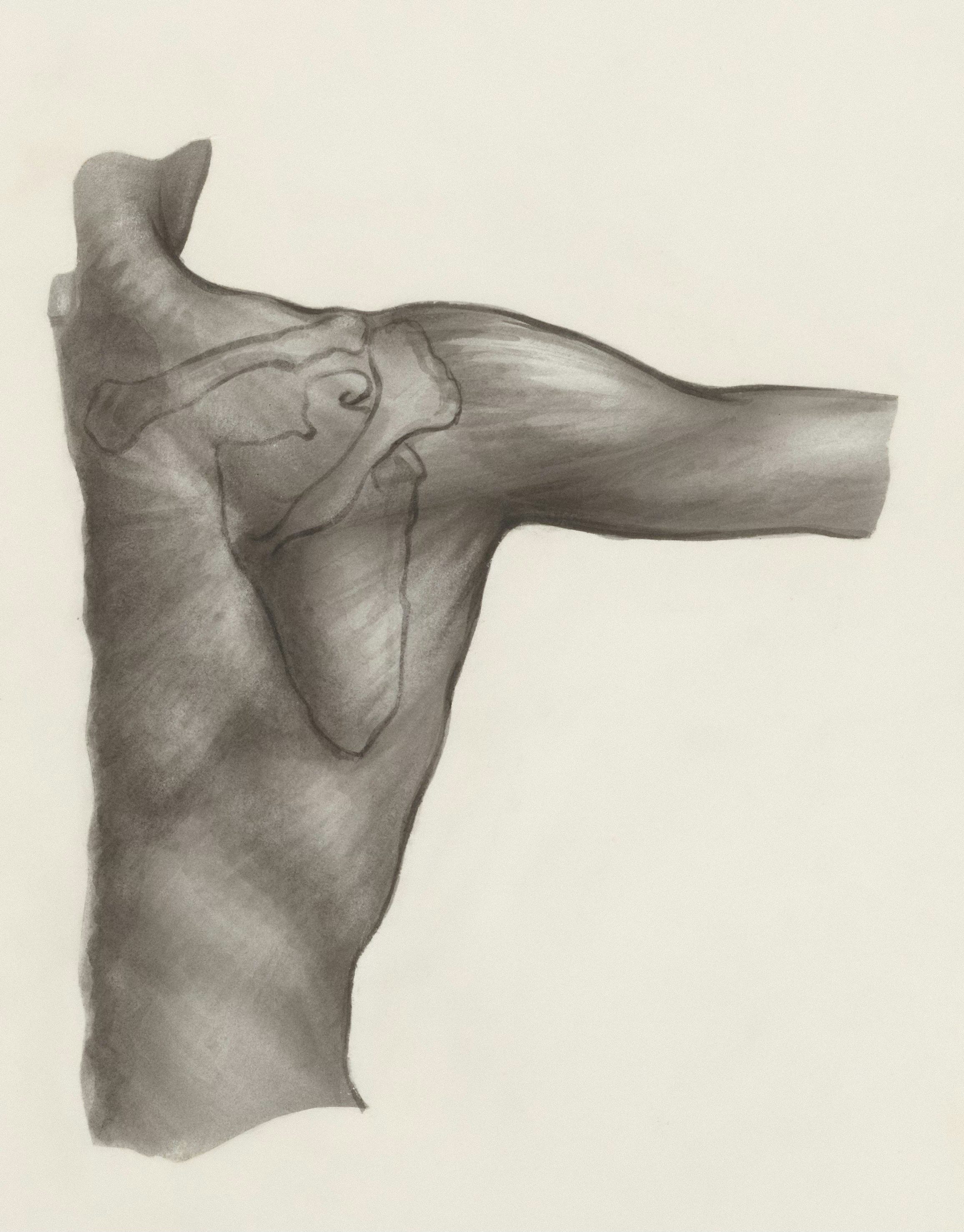
As we age, muscles don’t just shrink—they get stiff, tight, and less responsive.
The fast-twitch fibers (the ones that help you sprint, jump, and move quickly) are usually the first to go. Joel Greene calls the solution “young muscle”—muscle that’s not just strong, but elastic, explosive, and functional.
By improving circulation, loosening fascia (that clingy connective tissue that locks everything up), and helping muscles recover faster, massage keeps your body moving like it’s younger than it is.
Pair it with actual movement—short sprints, light plyometric work, or even just mobility drills—and your muscles stay responsive instead of turning into bricks.
The result? You don’t just feel better after workouts—you actually move better, recover faster, and keep your body from feeling like it’s aging before its time.
How to get it: Look for therapists who do deep fascial work or Thai-style stretching as part of the session. These methods open up your range of motion and keep your muscles from locking down.
Then, use that looseness—do some light mobility or explosive movement the next day to “lock in” the benefits.
4. It boosts longevity
One of the quietest benefits of massage is how it helps your body fight the slow burn of stress and inflammation—the two biggest drivers of aging.
Every good session lowers cortisol, improves blood flow, moves lymph (your body’s waste-removal system), and helps your nervous system get out of overdrive.
Over time, this adds up.
Lower inflammation means healthier joints, better recovery from workouts, stronger immunity, and even a reduced risk of chronic disease.
People think longevity comes only from supplements or extreme diets, but sometimes it’s as simple as giving your body a reset every couple of weeks so it can actually do what it’s designed to do—repair and rebuild.
How to get it: Prioritize consistency over intensity. A 60-minute massage every 2–4 weeks (even a lighter Swedish or lymphatic style) does more for long-term health than the occasional “beat me up for two hours” deep session.
If your therapist offers extras like infrared heat, PEMF mats, or calming breath cues, take them—these amplify the anti-stress effects.
5. It reconnects you with your body
Most of us move through life on autopilot—tight shoulders from stress, clenched jaws, shallow breaths—and we barely notice until something hurts.
Regular bodywork snaps you out of that cycle. You start to feel where you hold tension. You realize how your posture, breath, and emotions affect your body.
When you can actually feel what’s happening inside your body, you can prevent injuries, sleep deeper, and manage stress before it snowballs.
Massage turns into more than recovery; it becomes a tool for understanding your body and treating it better.
How to get it: Find a therapist who communicates—someone who points out patterns (“your hips are locked from sitting,” or “your breathing is shallow”) and gives you simple tips to correct them.
Over time, that awareness becomes second nature, and you start treating your body like something you actually want to keep healthy for the long run.
Where to Find a Good Massage Practitioner (Without Paying $900)
Not all massage therapists are created equal—and trust me, not everyone working at your local Lifetime Fitness spa is a wizard with bodywork.
A lot of places cut corners with cheap oils, synthetic bed sheets, or even products full of toxins, which kind of defeats the whole purpose of doing something healthy for your body.
If you want the real deal, search for practitioners with certifications beyond basic massage—look for keywords like myofascial release, sports performance, Thai bodywork, or trauma-informed therapy.
Reiki practitioners and bodyworkers who list their personal philosophy on their site are usually the ones who actually care.
Some of the best people I’ve found came through recommendations from local wellness studios, holistic health centers, and even performance coaches.
If you’re lost, start by checking out reputable schools or directories like How to Human Well, American Massage Therapy Association’s therapist locator, or the Upgrade Labs network.
How to Get the Benefits of Massage at Home
Can’t book a $150 session every week? You can still get most of the benefits if you’re willing to build a mini toolkit. These are the tools I use (and yes, they work):
Foam Roller – A classic for quads, hamstrings, and upper back.
Pso-Rite and Pso-Spine – Brutal but amazing for psoas release and spinal ligaments.
Peanut Massage Ball (or two lacrosse balls taped together) – Perfect for the erector spinae, neck, hips, calves, and even behind the knees.
Rumble Roller & “Beastie” Stick – The Swiss Army knives of self-massage. Use the roller for big muscles like quads, hamstrings, and IT band; the stick for forearms, traps, and calves.
Mini tools (game-changers for hard-to-reach spots):
Build a little routine—10–15 minutes after workouts or before bed—and your body will thank you.
How to Biohack Your Massage
If you’ve got a therapist who’s on board (or you’re doing self-massage), here are ways to level it up for even more recovery, trauma release, and cellular health:
Red light or infrared heat during or after the session (boosts blood flow and speeds recovery).
PEMF mats or grounding mats to enhance circulation and reduce inflammation.
Breathwork during sessions—slow, deep breaths amplify the parasympathetic effect and help release tension.
Essential oils and sound therapy—lavender, frankincense, or bowls can push you into a deeper relaxation state.
Movement follow-up—do light stretching, mobility work, or short explosive drills the next day to “lock in” the benefits (especially for young muscle).
This turns a massage from “feel good” into a full-body upgrade session—for recovery, longevity, and even emotional release.
The Bottom Line
This is one of the greatest health hacks I have come across.
Massage isn’t just a luxury or a quick fix for sore muscles. When done right, it’s a tool for releasing old tension, resetting your stress response, keeping your muscles young, supporting longevity, and reconnecting you to your body.
It’s one of the rare health practices that feels amazing in the moment and sets you up for a longer, healthier, more resilient life.
Whether you’re an athlete, a stressed-out professional, or just someone who wants to feel good again, investing in the right kind of bodywork can literally change how you move through the world.
Love you all, and go get a massage! You deserve it!!
💌 What’s one small thing you’re going to do today?
And if you know someone who needs a little fire under their ass—send this their way.
I’m grateful to my partners who create amazing health & wellness products.
Loved reading this. I just posted about massage and found yours very relatable, too.
https://open.substack.com/pub/clavedeluna/p/tips-when-getting-a-massage-from?r=6sbj3s&utm_medium=ios