

Rolex watches?
Hermes scarves?
Yesterday’s status symbols.
Today, fitness wearables lead.
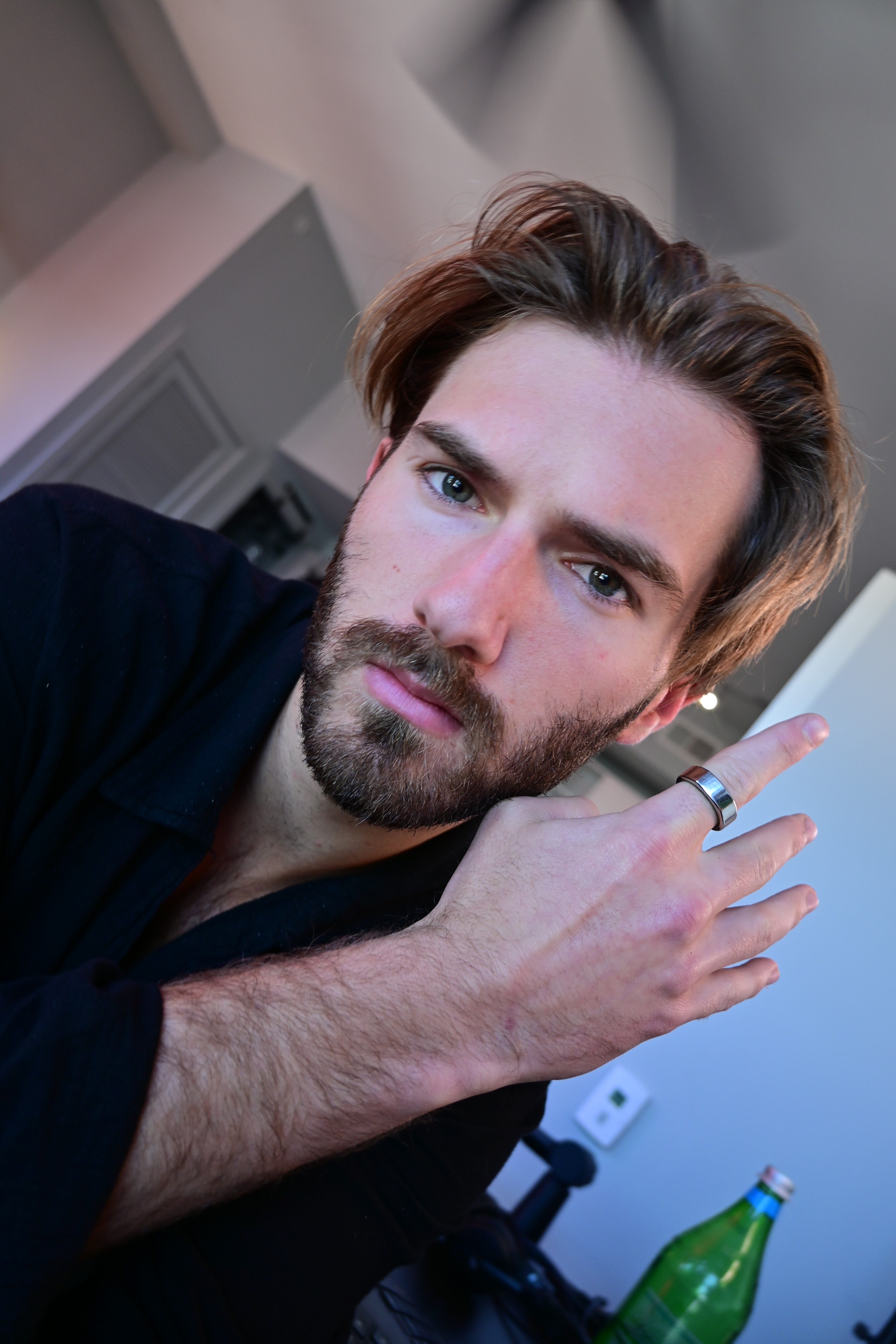
How was this, arguably a niche product, transformed into a billion-dollar industry?
Names like Patrick Mahomes and Jennifer Aniston are often linked with devices like Oura rings and Whoop bands.
Society has transformed into a bunch of mini biohackers running around and flexing their HRVS to the closest person they can find.
This is amazing. People are waking up and taking control of their health!
Yet, as we increasingly chase after perfect health scores displayed on sleek screens, one has to wonder: Are we merely chasing numbers at the expense of truly understanding our bodies?
This article explores the dual-edged sword of fitness wearables, examining their advantages and pitfalls.
The Problem with Wearables
In our quest for quantifiable health improvements, fitness wearables present a compelling proposition.
We can track our Heart rate, body temperature, sleeping partners, blood oxygen saturation, and menstrual cycle on our phones!
We had to walk into doctors’ offices or hospitals only a couple of years ago to analyze these metrics.
Now their mobile.
However, this digital obsession is not without its drawbacks.
The Negatives
1. Compete or Die
Our natural competitive drive is now focused on fitness wearables.
Instead of friendly challenges we now butt heads with one another trying to flex our dope-ass sleep scores and HRV.
Everything is a competition.
From the amount of sleep we get to the amount of steps we step;)
Cant enjoy anything anymore, must beat Aunt Sallly’s sleep score…
I’m legit a poet.
Obsessing about our health markers moves us away from becoming healthy.
2. Anxiety
Constantly tracking health data leads to general anxiety.
We now strive for a state of perfection, which often misses the mark.
We know sleep is good for us, but now we need a sleep score of 90 or above, otherwise, our day is shit.
When I obsessed over my Oura ring, I would often tell myself:
“What if my sleep score is bad tonight”
“What if I don’t reach my goal of calories burned?”
Instead of feeling confident about healthy habits, I stressed about perfection.
That’s not being healthy…
Being healthy is about embracing the imperfections in our lives.
We enjoy our time here and care for each other; we don’t seek perfection.
3. Sacrifices
When we obsess about our scores, life goes in the garbage bin.
There were nights when I decided to not go out with friends because I feared a late night would ruin my sleep score.
So lame.
Obsessing over data urges you to go and pound out your last thousand steps instead of spending time with others.
Obsessing over data forces you to burn “1,000 calories” every day so you can hit your goals.
Instead of choosing to be healthy, we sacrifice our well-being and force ourselves.
4. EMF’d
The electromagnetic fields emitted by wearables, while minimal, add an unnecessary layer of exposure, especially during sleep—a time meant for cellular recovery.
EMF messes with our sleep.
The more that are present at night, the worse we will feel.
Although Wearable devices are not as significant as a WiFi router beside the bed, why introduce any risk at all?
5. Numbers Define Life
When numbers dictate how we feel day in and out, we become computers.
No longer are we allowed a joyful day without a recovery score above 90.
Make sure sleep is in check as well otherwise, the day is shit.
This is delusional!!
The day I decided to stop obsessing over my wearable device marked a pivotal moment.
Liberated from the shackles of constant monitoring, I discovered a deeper, more meaningful connection to my well-being.
The Positives of Wearables
Despite these concerns, fitness wearables offer undeniable benefits.
They provide a window into our physiological functions, offering insights that were once accessible only through professional health assessments.
This section showcases the advantages of incorporating wearables into our lives, from fostering health awareness and facilitating personal experiments to enhancing community ties and even adding a touch of fashion to our daily wear.
4 Benefits of Wearables
1. Analyization
Wearables bring the nuances of our health into focus, offering a detailed analysis of sleep stages, recovery needs, and even early signs of illness.
The first time I used a health tracker, I was fascinated by the depth of insight into my sleep patterns and HRV, revealing aspects of my health I was previously oblivious to.
We can analyze our health data, and determine when is a good time to work, work out rest, sleep, have sex, etc.
2. Awareness
With data at our fingertips, we're equipped to make informed decisions about our daily activities, ensuring our actions are aligned with our body's needs.
I understand that if I had a night of sleep where my heart rate was elevated I only slept in light stages and I got zero deep sleep, I’m going to take it easy today.
This heightened awareness helped me understand the impact of various factors on my sleep quality and overall recovery, enabling more mindful choices. When I see myself fully recovered on the app, I know it’s time to crush a workout.
3. You Become a Scientist
These wearables enable us to gauge the impact of lifestyle changes, supplements, or routines on our health metrics, fostering a scientific approach to wellness.
I experimented with different sleep supplements and routines, using my wearable as a tool to assess their effectiveness.
This process transformed my approach to health into a fascinating journey of discovery.
Experiment Procedure:
Review Sleep Data from the Previous Night
Take a Sleep Supplement
Go to Sleep
Review Data the Following Day
Analyze Improvements, Differences, etc.
Continue Analysis for One Week
4. You Look Dope
I extract no better feeling when compliments my Oura ring.
I have a silver one, and boy it looks nice with my watch…
The whoop band?
I don’t see it as a fashion statement.
Oura also just collaborated with Gucci and made an even MORE expensive ring.
Count me in.
Finding Balance
The essence of using fitness wearables wisely lies in balance.
It's about leveraging the insights they offer while not becoming overly reliant on the data.
Obsessing about our data leads to worse outcomes. Anxiety, depression, etc.
By listening to our bodies and using data as a guide rather than a verdict, we can enjoy the benefits of technology without losing the connection to our innate health intuition.
Conclusion
Balance is everything.
From the foods we eat to the activities we enjoy.
Seesaw one way for too long, and we can lose sight of what truly matters.
But when we are aware of our bodies and use modern technology we can create even more value in this world.
Let's not forget: in the pursuit of health, numbers tell a story, but they don't capture the whole narrative.
Here's to finding harmony between the digital and the physical, ensuring that our health journey is as enriching as it is informed.
Hope you enjoyed this. Love you.