

Biohacking is pointless if you miss the basics.
Everywhere I look, folks are dropping thousands on fancy gear like $10K red light machines, $5K exosome IVs, or $20K hyperbaric oxygen chambers.
They're skipping straight to the high-tech without grasping the fundamentals.
My dive into biohacking was embracing the simple acts of grounding in the sun, practicing Tai Chi, and meditation.
I've yet to find anything more impactful, regardless of the price tag. This shift took me from a health novice to feeling limitless daily.
My energy knew no bounds, my libido and hormones surged, my muscles thrived, and
I launched Kool Health—all from routines that didn’t cost a dime.
So, let’s cut through the noise. In this article, you will learn:
Eight basic, everyday biohacks that are absolutely free.
How these practices can transform your energy, health, and life without spending a penny.
Get ready to unlock a version of you that feels unstoppable, every single day.
Sunlight Exposure
As I stood out in my underwear that Monday morning, feeling the grass under my feet, I couldn't help but wonder, "What on earth am I doing outside so early?"
The day before, as a tennis coach, I noticed a lady sitting, watching her friends play.
Curious, I approached her to offer a lesson, and her reaction was immediate—her eyes lit up with an energy I'd never seen before.
"WOAH, WHO DO WE HAVE HERE?" she exclaimed.
I was taken aback.
Our conversation revealed her passion for health, specifically her practice of sun gazing.
"Looking at the sun?" I asked, puzzled.
She explained the routine: 15 minutes after sunrise and 15 minutes before sunset.
"But never stare at it mid-day, or you'll hurt your eyes," she warned.
Her simple advice was intriguing.
Now, here I am, following her lead.
The Power of Sunlight: Beyond Vitamin D

Sunlight, the most primal source of energy and life, offers benefits that science is only beginning to fully appreciate.
While most know it's essential for vitamin D synthesis, its advantages extend far beyond:
Circadian Rhythm Regulation: Exposure to natural light helps synchronize our body's internal clock, enhancing sleep quality and overall mood.
Mood Enhancement: Sunlight triggers the release of serotonin, a mood-lifting hormone, combating feelings of depression and anxiety.
Immune Boost: Vitamin D, synthesized from sunlight, plays a crucial role in strengthening our immune system, making us less susceptible to infections.
Improved Eye Health: Moderate exposure to natural light can help prevent myopia (nearsightedness) in children and adults.
In the heart of our brain lies a tiny but mighty clock known as the Suprachiasmatic Nucleus (SCN).
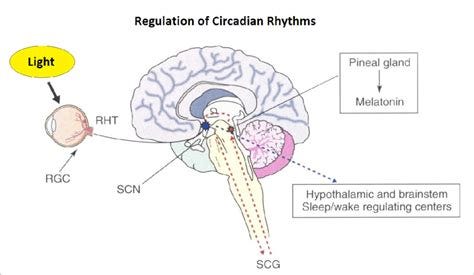
This clock plays a pivotal role in orchestrating our circadian rhythm, the internal process that regulates our sleep-wake cycle over 24 hours.
The SCN interprets signals from our environment, most notably light, to adjust our biological clock, ensuring our bodies function optimally throughout the day and night.
How Sunlight Influences the SCN and Circadian Rhythm:
Morning Light: Exposure to sunlight in the morning sends a strong signal to the SCN that it's time to wake up and kickstart the day. This helps regulate our energy levels, mood, and metabolic processes.
Midday Sunlight: Incorporating a midday sun practice not only aids in vitamin D synthesis and safe tanning but also reinforces our natural circadian rhythm. Even brief exposure to the strong midday sun can help the SCN fine-tune our biological clock, promoting alertness and vitality during the day.
Evening Light: As the sun sets, the diminishing light signals the SCN that it's time to wind down, preparing our body for restful sleep.
Understanding the SCN's role highlights the importance of regular sunlight exposure in maintaining a healthy circadian rhythm.
By aligning our daily activities with the natural light-dark cycle, we support our SCN in keeping our internal clocks accurate, enhancing our overall well-being.
This simple act of embracing the early morning or late afternoon sun can profoundly impact our well-being.
It's a reminder that sometimes, the most effective biohacks are the ones nature provided for free.
Grounding or Earthing
Grounding, also known as earthing, is a practice that might have some people raising their eyebrows, labeling you as a modern-day hippie.
Yet, it's rapidly gaining recognition as one of the most potent biohacks available. Let's dive into the science and benefits behind this simple yet transformative practice:
Standing barefoot on the earth, feeling the grass, soil, or sand beneath your feet, might seem too simple to have any real benefits.
Yet, who knew that such a basic act could be so powerful?
Despite the odd looks from passersby or neighbors who might think you've embraced a back-to-nature lifestyle a bit too enthusiastically, grounding is emerging as a cornerstone biohack for wellness enthusiasts around the world.

The Science of Grounding:
The earth maintains a negative electrical potential on its surface.
When you walk barefoot, you create a direct connection, allowing electrons to flow freely between your body and the earth.
These electrons have antioxidant effects, capable of neutralizing free radicals in your body.
Key Benefits of Grounding:
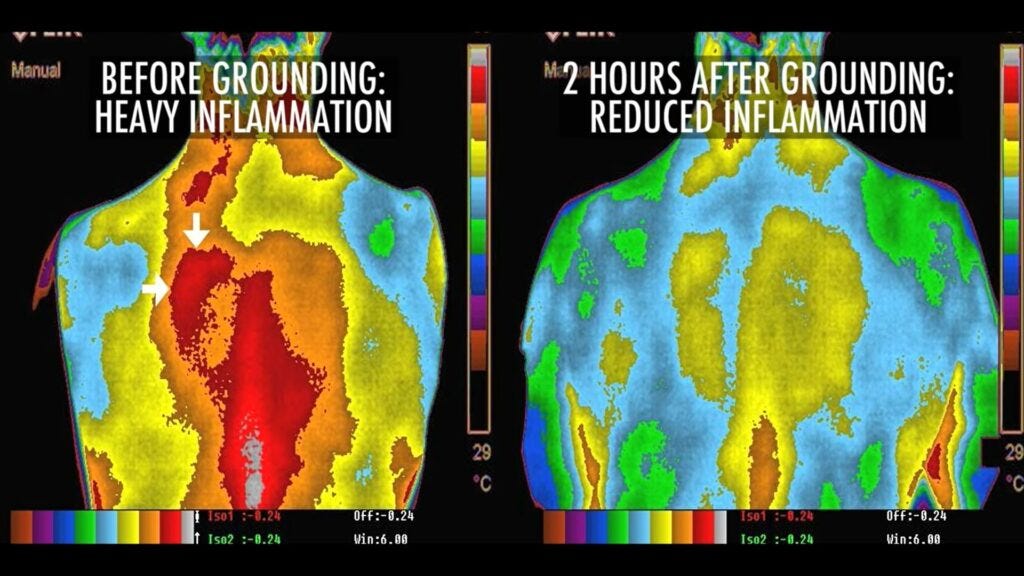
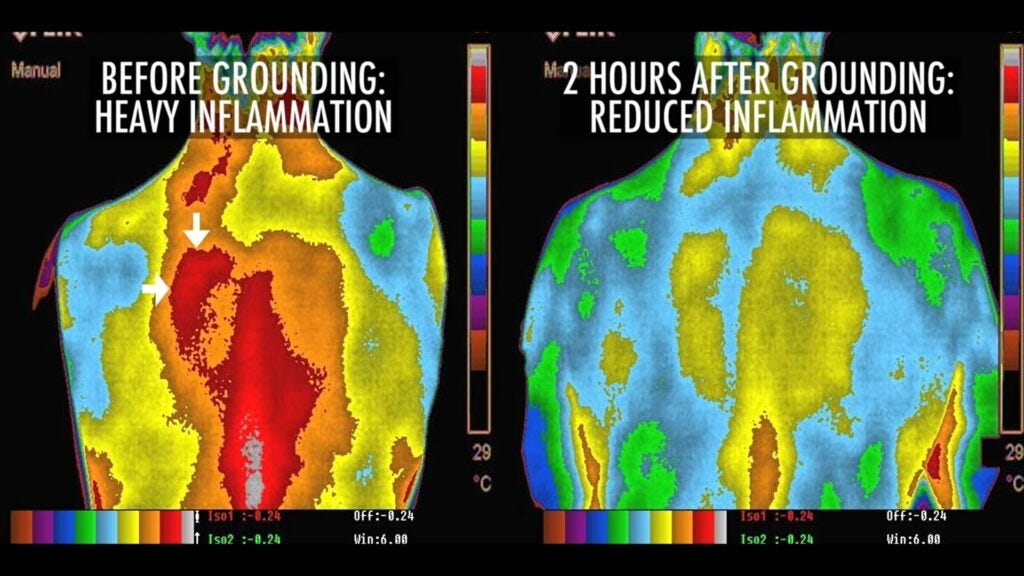
Reduced Inflammation: Chronic inflammation is linked to numerous health issues. Grounding can help reduce this inflammation by neutralizing free radicals.
Improved Sleep: Connecting with the earth's natural energy can help improve sleep patterns by normalizing your day-night cycle and regulating cortisol levels.
Enhanced Well-being: Grounding has been reported to reduce stress, increase energy, and enhance mood. It reconnects us to the environment, promoting feelings of calmness and balance.
Pain Reduction: Some studies suggest that grounding can reduce pain. This is thought to be due to its anti-inflammatory effects and improvement in blood circulation.
How to Practice Grounding:
Find a Spot: Look for a grassy patch, sandy beach, or even a dirt path—any natural surface where you can stand, walk, or sit barefoot.
Make It a Routine: Dedicate at least 30 minutes a day to grounding. Early morning or late afternoon are ideal times to sync this practice with natural light exposure for added benefits.
Experience and Observe: Pay attention to how you feel during and after grounding. Many people report a sense of well-being and relaxation almost immediately.
Grounding is a testament to the idea that sometimes, the most profound health benefits come from the simplest actions.
By reconnecting with the earth, we tap into a natural source of healing and balance that has been beneath our feet all along.
Meditation: The Mind's Reset Button
In the midst of our hectic lives, finding tranquility can seem like a Herculean task.
Yet, the ancient practices of meditation and breathwork offer a sanctuary of calm, proving to be some of the most effective biohacks for mental and physical health.
These practices require no equipment, no special location, and, most importantly, no investment other than a bit of your time.
Meditation is more than sitting silently with your thoughts—it's an exercise in mindfulness, concentration, and self-awareness. By regularly engaging in meditation, you can:
Reduce Stress and Anxiety: Meditation lowers levels of cortisol, the stress hormone, leading to a calmer state of being.
Enhance Focus and Concentration: Regular practice improves your ability to concentrate and maintain attention on tasks.
Boost Emotional Well-being: Meditation has been shown to improve mood, increase self-esteem, and foster a positive outlook on life.
Breathwork: The Power of Controlled Breathing
Breathwork involves conscious control over your breathing pattern, which can significantly impact your physical and mental states. Key benefits include:
Immediate Stress Relief: Controlled breathing can quickly reduce stress, thanks to its calming effect on the nervous system.
Improved Oxygen Efficiency: Breathwork techniques enhance oxygen exchange, which can boost energy levels and improve athletic performance.
Detoxification: Deep, controlled breathing helps in releasing toxins from the body, promoting internal cleansing.
Integrating Meditation and Breathwork into Your Daily Routine:
Start Small: Begin with just 5-10 minutes of meditation or breathwork daily. Use guided sessions available online if you're a beginner.
Create a Dedicated Space: Find a quiet, comfortable spot where you can practice undisturbed.
Make It a Habit: Consistency is key. Try to practice at the same time each day to establish a routine.
The synergy of meditation and breathwork can profoundly transform your life, offering a refuge from the chaos and an opportunity for deep, personal growth.
Whether it's starting your day with a clear mind or taking a moment to breathe deeply amid a busy schedule, these practices invite balance and peace into our lives.
Food as Information: Beyond Calories
Embracing a diet that goes beyond the simple calculus of calories in vs. calories out is crucial for anyone looking to biohack their way to optimal health.
The focus shifts towards consuming foods that offer not just nutritional value but also positive information to our cells.
This is where a hybrid approach, combining elements of Paleo and Mediterranean diets with an emphasis on wild game, pasture-raised meats, non-processed foods, healthy saturated fats, and the exclusion of vegetable oils and sugars, becomes transformative.
Our bodies interpret food much like they interpret a set of instructions: what to turn on, what to turn off, how to react, and how to regenerate.
It's a complex interaction that goes far beyond the simple notion of calories.
A candy bar and an apple might share caloric values, but their impact on our health, cellular function, and genetics couldn't be more different.
The Hybrid Diet: Paleo Squeeze/Mediterranean Focus
This diet advocates for a return to the basics with a modern understanding of nutrition:
Wild Game and Pasture-Raised Meats: These are not just sources of protein but also of healthier fat profiles and essential nutrients absent in their industrially-raised counterparts.
Non-Processed Foods: By choosing foods in their natural state, we reduce exposure to harmful additives and maximize nutrient intake.
Healthy Saturated Fats: Contrary to outdated beliefs, healthy saturated fats from sources like coconut oil, avocados, and nuts are vital for cellular health and energy.
Exclusion of Vegetable Oils and Sugars: These are recognized for their inflammatory properties and their role in many modern health issues.
Understanding Food's Role

By focusing on these principles, we begin to understand food's role in our overall health:
Cellular Communication: Foods rich in nutrients and antioxidants help in the repair and maintenance of cells.
Genetic Expression: What we eat can influence how our genes express themselves, potentially turning off predispositions to certain diseases.
Gut Health: A diet rich in diverse, whole foods supports a healthy gut microbiome, crucial for everything from immune function to mental health.
Integrating This Approach
Educate Yourself: Learn about the sources of your food and the processes it undergoes before reaching your plate.
Shop Smart: Prioritize local, organic produce and meats where possible. Understanding the origins of your food is the first step in this diet.
Listen to Your Body: Everyone's genetic makeup and lifestyle are different. Use this diet as a guideline and adjust based on how your body responds.
By treating food as information, we empower ourselves to make choices that positively impact our health on a cellular level and beyond. This approach is not just about avoiding certain foods but embracing a holistic view of nutrition as a cornerstone of health and well-being.
Cold Exposure
Have you ever seen those seemingly crazy individuals, like Wim Hof swimming in the icy canals of Amsterdam in dead winter, or biohackers stepping into freezing ice chambers?

There's a method behind what may seem like madness, and it's all about the benefits of cold exposure.
But you don't need an ice chamber to get started; a simple cold shower or a dip in any safe, icy body of water can offer a free way to explore these benefits.
Remember, though, safety first: never practice breathwork in water.
The risk of passing out and drowning is real.
Specifically, the Wim Hof Method should never be practiced in water to avoid these dangers.
Embracing the Cold: Why It's Worth It
Cold exposure isn't just a test of mental fortitude; it has tangible health benefits backed by science:
Boosted Immune System: Regular cold exposure has been shown to increase white blood cell count, enhancing the immune system's defense capabilities.
Improved Circulation: The cold triggers vasoconstriction followed by vasodilation, improving cardiovascular health by enhancing blood flow.
Enhanced Fat Loss: Exposure to cold can increase the activity of brown fat, a type of fat tissue that burns calories to generate heat.
Increased Resilience to Stress: Cold showers can increase tolerance to stress and reduce levels of stress hormones in the body.
Mood Enhancement: Cold exposure releases endorphins, the body's natural mood elevators, leading to improved well-being.
Getting Started Safely
Begin with Cold Showers: Start by ending your regular showers with 30 seconds to a minute of cold water. Gradually increase the duration as you become more accustomed.
Safety First: Always prioritize safety, especially when considering a plunge into natural bodies of water. And remember, no breathwork in the water.
Listen to Your Body: Cold exposure should be invigorating, not torturous. Pay attention to how your body responds and adjust accordingly.
By incorporating cold exposure into your routine, you're tapping into an ancient practice that can enhance your health, resilience, and overall vitality in a modern world.
Just remember to approach it with caution and respect for your body's limits.
Gratitude Journaling: Brain Chemistry Meets Daily Wins
Let's cut to the chase: gratitude journaling isn't just some fluffy self-help gimmick—it's your brain on positive steroids.
Every time you jot down what you're thankful for, you're hacking your brain chemistry, spiking your dopamine and serotonin levels.
That's right, the same chemicals that light up when you score a win, whether it's nailing a job interview or winning a game.
This isn't just about feeling good; it's about physically rewiring your brain to focus on the positives. So, ditch the negativity bias.
Simple Steps:
Grab a pen and paper.
Spend a few minutes daily jotting down what you're thankful for.
Challenge: Keep it consistent.
A pen, paper, and a few minutes are all it takes to train your brain towards optimism.
The real challenge? Consistency. The payoff? A genuinely brighter outlook on life.
Romance/Relationships: The Oxytocin Connection
Investing in your relationships is the ultimate biohack, rooted deeply in neuroscience. Ever heard of oxytocin?
It's the 'love hormone' that forges bonds, builds trust, and slashes stress.
Every meaningful interaction, every shared laugh, and every moment of genuine connection pumps this stuff through your brain, strengthening your relationships like nothing else.
Investing in Bonds:
Send thoughtful messages.
Plan surprises or quality time.
Every shared moment is an investment in your relationship's health.
Common sense tells us that these investments yield the highest returns—happiness, support, and shared growth.
So, shoot that 'thinking of you' text, plan that surprise, or simply be there.
Remember, in a digital age where loneliness is on the rise, making real connections is a rebellious act.
Fitness: The Ultimate Mind-Body Biohack
Exercise isn't just about crafting an Instagram-worthy physique—it's about engineering a smarter, happier brain.
Hitting the gym or the pavement pumps your brain full of neurotrophic factors and endorphins, transforming not just your body but also your mental state.
Neuroplasticity, the brain's ability to form new neural connections, gets a major boost from regular physical activity, making you sharper, more resilient, and yes, happier.
Let's get real: excuses won't get you those gains. Integrating movement into your daily routine is a non-negotiable for anyone serious about their well-being.
It's the most potent, natural high you can get—plus, it comes with the added bonus of a killer body.
Learning: Keep Your Brain in Beast Mode
Constant learning is the ultimate edge in today's fast-paced world, and it's not just about padding your resume.
Diving into new skills or knowledge areas isn't just beneficial; it's necessary.
Neuroplasticity, your brain's ability to adapt and grow, thrives on new challenges.
Brain Expansion: Every new skill or piece of knowledge is a workout for your brain, promoting adaptability and growth.
Lifelong Learning:
The world doesn't stand still, and neither should your brain.
Access to knowledge has never been easier – leverage it.
Challenge Accepted:
Pick something new to learn, no matter how small.
Transform curiosity into your superpower.
Each new piece of information or skill you acquire is like a workout for your brain, keeping you sharp, adaptable, and ahead of the curve.
The reality is stark: evolve or get left behind.
The good news?
The resources to learn anything are more accessible than ever.
So, what's stopping you?
Turn your curiosity into your most powerful asset and keep your brain in beast mode.
With Love,
Jack