


It's a weird question, but do you know what's in your toothpaste?
I say this because I am concerned at the fact that some toothpastes consist of petroleum-based ingredients1, artificial coloring, chemicals, and microplastics.2 These chemicals absorb directly into our bloodstream, disrupting our hormones, harming the gut microbiome, and even lowering our IQ.
The key to vibrant health and longevity is to eliminate the toxic chemicals that are stopping us from experiencing this. That’s why it’s essential to eliminate all toxic oral care products.
So today we're going to dive deep into your healthy smile. The things to avoid, the things to include, and a whole lot more. Lets go!
The Day I Declared War on Toothpaste
It all started my junior year of college. I was a young gun in the biohacking space. Everything was new and shiny. Red light! Blue light! Mitochondria! Suppositories! It was all dope.
But I never thought about oral care. Who would? It was just stuff that makes your teeth clean. Thinking back now, I always had plaque and bad breath. I’m sorry for anyone who kissed me in high school..
But one day, when I was on my rebounder, I heard a guy on a podcast say
"If you don't eat it, don't put it in your mouth."
Then he started dropping bombs. He was breaking down common ingredients found in oral care, things like fluoride, artificial colors, plastics, etc. It was nasty. I didn’t realize half of these ingredients came from the gas industry or were made by a bunch of white coats in a lab.
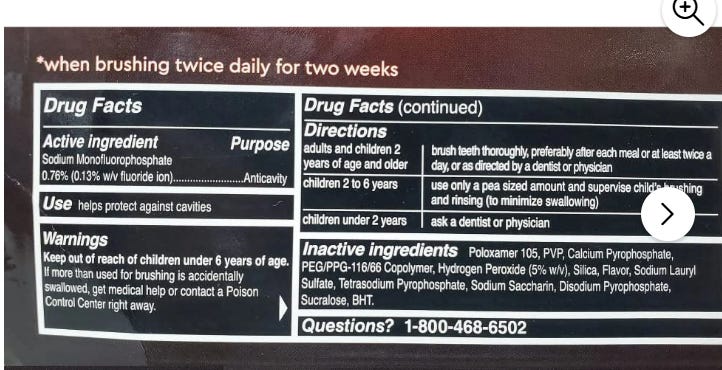
I hopped off the rebounder, marched into my bathroom, and declared war on my toothpaste. I saw the ingredients: sodium lauryl sulfate, hydroxy-whatever. The warning label even said, "Call Poison Control if swallowed." No way.
I threw everything away: toothpaste, mouthwash, floss, even the whitening strips that made my teeth shiny. It was a total purge.
The Dangers of Fluoride, BHT and Mouthwash
After this perspective shift, I delved deeper into the chemicals in our oral care and their potential toxicity. You might have heard that fluoride is the anti-cavity solution and mouthwash is antibacterial, but what are the dangers of using these chemicals?
Since 1945, fluoride has played a crucial role in our society, preventing cavities and improving oral health. It's everywhere - in our food, water, and toothpaste. However, scientists have had concerns for a long time.
The National Toxicology Program (NTP) reviewed published scientific literature3 about the link between fluoride exposure and neurodevelopment and cognition. They found that high levels of fluoride exposure lowered IQ in children. This was also supported in in The Case Against Fluoridation by Joseph G. Hattersley4
Two studies were conducted in China where there are high amounts of calcium fluoride in the water. It showed that the more fluoride you have in the water, the larger amounts of dental Fluorosis you’ll see–that and lower IQ. Fluorosis causes tooth discoloration and bone deformities, and the only way to solve this as shown by Cleveland Clinic5 is to eliminate fluoride.
There are other chemicals we need to be aware of, such as BHT and BHA. The International Agency for Research on Cancer classifies BHA, BHT's cousin, as a possible carcinogen. BHT also mimics estrogen and prevents the expression of male sex hormones. Studies have shown that BHT interferes with hormone function and is toxic to rats and mice.6 Another common ingredient, PPG-116/66 Copolymer, has nasty effects.
The main adverse effects of PEGs included metabolic acidosis, the increase in serum calcium, renal failure, and cytotoxicity [2,9,10,11].
Why do I mention all of these?
Because they were all found in a toothpaste that I used.
Our Teeth Breathe
Now someone might think, "Our teeth aren't absorbent, so nothing gets into them. We can use these chemicals and they won't absorb."
But it turns out our teeth are highly absorbent to anything they come into contact with. Our gums are essentially vessels to our bloodstream, transporting anything they touch, including bad bacteria, toxins, and yes, the chemicals from our toothpaste.
I heard about one amazing woman, Nadine, who founded Living Libations, and she provided a beautiful explanation of this concept.
"The synthetic ingredients in most toothpastes and rinses, even those sold in health food stores, are better suited for industrial use than for cleaning the body's delicate tissues or promoting oral health. Brushing with these products can harm our health. When we absorb these synthetic substances through the mouth's mucus membrane into the bloodstream, they can lead to decomposed collagen, disrupted hormones, damage to the delicate epithelium, disturbed micro-flora in the digestive tract, and ultimately, poor health.
Our teeth are alive. They breathe and sweat. Dental fluid in them flows through the body to our intestines. We need to keep it flowing and not block it with toxic chemicals. These toxins also destroy the oral microbiome which is essential for a healthy mouth. We need to enhance the oral microbiome, not kill it.
Speaking of killing the oral microbiome. I have one more culprit for you, then we will move on to the solutions.
I have a problem with mouthwash.
Meta-analyses and several large cohort studies have demonstrated that antiseptic mouthwashes are associated with mortality in hospitalized patients.7
Antiseptic mouthwash can also significantly disrupt the oral microbiome by killing the beneficial bacteria responsible for reducing nitrate to nitric oxide (NO), which is essential for cardiovascular health. This reduction in NO can impair blood vessel function and increase blood pressure, potentially raising the risk of heart disease, as studies have shown a link between frequent mouthwash use and higher rates of hypertension.8
Nitric oxide is also crucial for gains in the gym and that gnarly pump. Bros beware. Dump the antibacterial mouthwash. I got a solution for you.
Holistic Dental Practices and Products
Now, let’s dive into some solutions.
Fortunately, there are plenty of companies and oral care practices prioritizing non toxic, natural ingredients. The first practice I want to highlight is oil pulling.
The way it leaves my mouth feeling – there’s nothing like it. Not only does oil pulling have solid scientific backing, but it’s also a fantastic natural way to whiten teeth, even without toothpaste or charcoal.
Oil pulling involves a blend of oils and herbs like peppermint, cardamom, clove, and coconut oil. This blend helps draw out fat-soluble toxins and bacteria from your mouth, creating a clean oral environment that can prevent gingivitis, bad breath, cavities, tooth decay, and gum infections.
In fact, studies published in the Journal of Ayurveda9 reveal that oil pulling is one of the most effective natural methods for preventing tooth decay and tooth loss. But its benefits go beyond oral health, potentially reducing systemic inflammation, acne, and even contributing to heart health. It may also strengthen the jaw, help with TMJ symptoms, and, of course, brighten your smile.
So, ditch the mouthwash and give oil pulling a try. Here’s how to start:
1. Wake up – Start by flossing and brushing with the natural oral care products I’ll recommend shortly.
2. Oil pull – Swish the oil blend in your mouth for about 10 minutes, then spit it out.
You can make your own oil pulling blend, or use my favorite one.
[Here’s a link if you’d like to make your own.]
Healthy Toothpaste
Many generic toothpastes you’ll find at places like Walgreens or CVS are packed with chemicals that can harm your brain, disrupt your gut, and stain your teeth.
Since switching to natural toothpaste, my teeth have become visibly brighter. I still enjoy coffee every day and wine on occasion, yet my teeth stay in great shape. Plus, I don’t have to worry about hidden chemicals messing with my hormones or my health. That peace of mind feels amazing.
Here are a few of my favorite toothpastes:
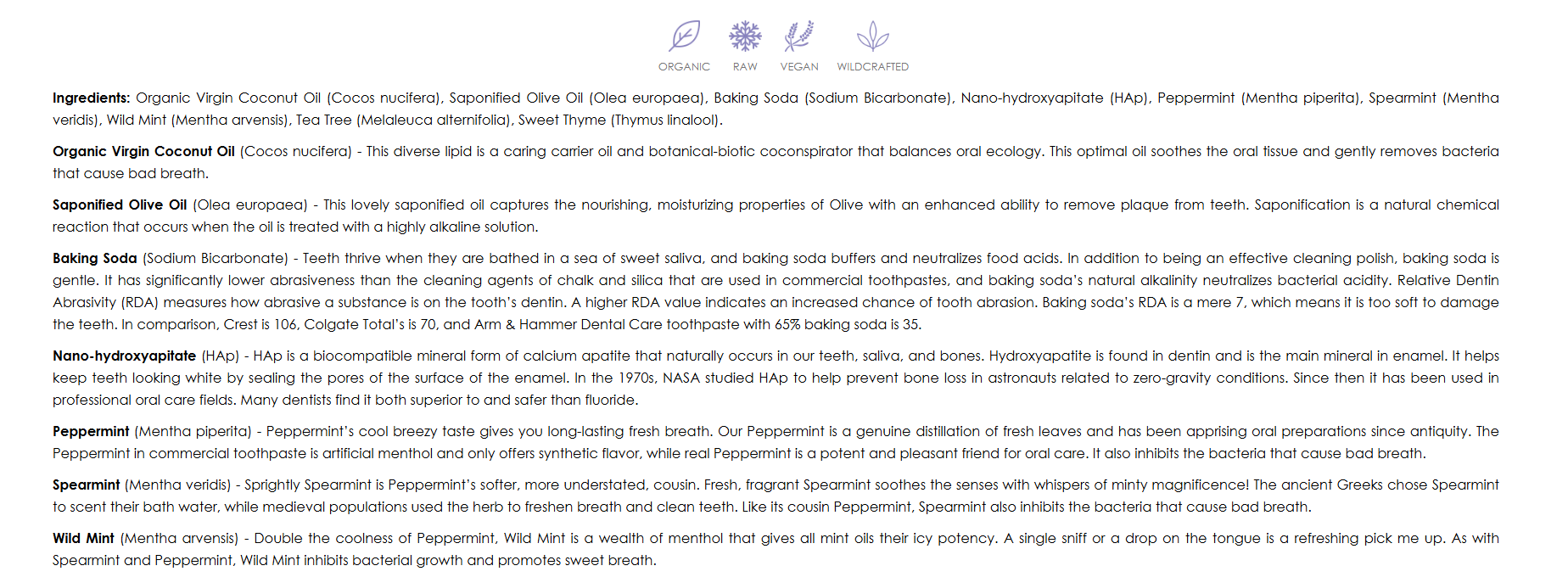
Living Libations, Living Earth Beauty, and Dr. Tungs.
I’ve tried all of these brands but my favorite is Living Libations.
Nadine, the founder, wrote the book Holistic Dental Care: The Complete Guide to Healthy Teeth and Gums which takes a deep dive into natural oral care practices, chemicals in toothpaste, heavy metal detox and gum health.
She emphasizes that our teeth need mineral-rich ingredients to stay strong and bright. So, along with her oil-pulling products, I use her toothpaste.
I get that Living Libations products are a bit pricey. But for me, investing a little more in my dental health is worth it. If budget is a concern, you might even try making your own. Either way, quality toothpaste is a great cosmetic hack for a healthier, brighter smile.
As you can see the ingredients in these are far different than what I showed above.
Other essential oral care practices
Tounge Scraping
A tongue scraper removes dead cells, toxins, and bacteria from the tongue, improving taste sensitivity by clearing space for taste buds to function naturally and revealing the tongue's natural pink color.
Regular use of a tongue scraper can reduce bad breath, boost immunity by minimizing toxin buildup, support digestion by activating taste buds, and even gently stimulate various organs connected to the tongue.
Proper tongue scraping
The tongue is a good indicator of one's health
Check the tongue, if there are white exudates on it, means you are not digesting food completely (Digestive Enzymes helps with this)
Mouth Tape
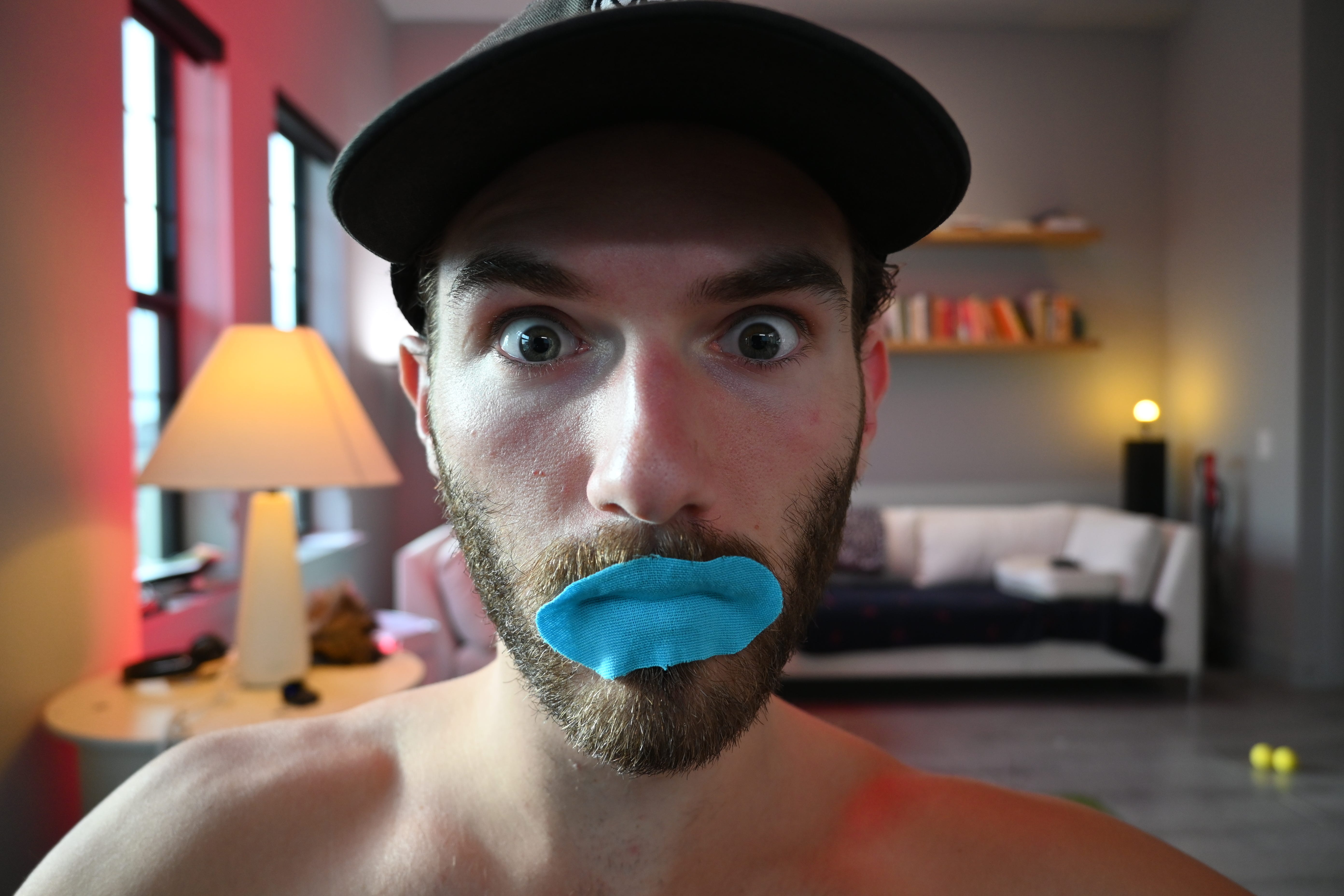
Using mouth tape works wonders. Mouth breathing at night dries the mouth, increasing acidity, which bad bacteria thrive on. Taping your mouth during sleep keeps it moist, eliminating bad breath and dryness upon waking. Say goodbye to morning breath.
It may also enhance facial symmetry and improve your jawline. I swear I noticed a difference.
Salt Water Rinse (Saliva Optimization)
I add a pinch of Celtic sea salt to my filtered water. The salt alkalizes your mouth, reducing acidity and halting bad bacteria.
Saliva is the ultimate solution, containing a perfect blend of peptides, enzymes, minerals, and bicarbonate. It’s essential for digestion and lubricating the mouth. If it’s too acidic from sugary drinks and tobacco, saliva erodes tooth enamel, fosters bad breath bacteria, and contributes to sensitivity.
Conversely, overly alkaline saliva can lead to calcium excretion and calculus buildup on teeth. Saliva is a superhero for our mouths. You can help it work effectively by staying hydrated with spring water, brushing after meals, and swishing salt or baking soda water.
Floss (with Essential Oils)
Then I floss, elevating the process by adding Living Libations Happy Drops to the floss. The herbs in this product enhance the oral microbiome and prevent gums from absorbing toxins. I use non-fluorinated floss here.
Conclusion
I hope you learned something today about your smile and the products you're using. I recommend questioning your oral care, checking the ingredients, and looking them up. Do your own research and find an alternative here or somewhere else.
It's my pleasure to bring you this edition of Modern Wellness. Love you.
Here are the best companies for oral care IMO:
Living Libations, Living Earth Beauty, and Dr. Tung’s.
For more information about the brands consult "Making the Right Dental Choices" by Dr. Bob Marshall.
For more information about great oral ecology, read Nadine's book, "Holistic Dental Care: The Complete Guide to Healthy Teeth and Gums."
Lifestyle consultation
Get your biohacking journey started today. Remove the confusion. Build a holistic longevity plan and become your best self. Book a call with me today.
With Love,
Jack (Modern Wellness)
Disclaimer
The information in this article is for educational purposes only and is not medical advice. Always consult a healthcare provider before starting any new treatment or supplement, especially if you have medical conditions or take other medications. Individual results may vary.
Consider seeing a specialist in functional medicine.
https://www.forceofnatureclean.com/choosing-non-toxic-toothpaste/
https://pmc.ncbi.nlm.nih.gov/articles/PMC10372460/
https://ntp.niehs.nih.gov/whatwestudy/assessments/noncancer/completed/fluoride
https://isom.ca/wp-content/uploads/2020/01/JOM_1999_14_4_02_The_Case_Against_Fluoridation.pdf
https://my.clevelandclinic.org/health/diseases/23227-fluorosis
https://davidsuzuki.org/living-green/dirty-dozen-bha-bht/
https://pmc.ncbi.nlm.nih.gov/articles/PMC7567004/
https://pmc.ncbi.nlm.nih.gov/articles/PMC7567004/
https://jaims.in/jaims/article/download/62/64/
I started making our toothpaste about 10 years ago. I mix food grade calcium carbonate with water and essential oils (clove, peppermint, cinnamon), and a bit of sea salt. I used to add coconut oil but it made a mess in the sink and clogged our drains.
I just mix it up and scoop it into a mason jar. It’s cheaper, healthier, and lower waste.
YESSSS love this.