


Sleepmaxxing is everywhere these days.
Brian Johnson, one of the world’s premiere biohackers, stops eating at noon and starts winding down at 7pm just to achieve a perfect 100 on his Whoop sleep tracker.
I’ve seen people try everything for better sleep.From 10-step routines and expensive gadgets to supplement-loaded mocktails and even sleeping on beds of nails.
I’m here for the sleep maxing movement.
But here’s my confession: I’ve been to the extreme end of this spectrum. At one point, I took 800mg of melatonin in a single night through a suppository (if you don’t know, now you know).
I spent all my savings for an Eight Sleep mat that flows cool 55-degree water under your bed for supposedly insane sleep scores.
I used to wake up every morning and analyze my Oura ring data like my life depended on it. If I wasn’t getting an A+, I’d stress myself out and go even harder on my sleep maxing routine. More morning sunlight. More melatonin. More everything.
But man, who has time for all of this? Or the money?
I was driving myself into a hole with too much excess. The supplements started making me feel groggy in the morning.
Then something shifted when I dove deeper into the actual research and started following standard sleep science principles instead of influencer protocols. I’ve never slept better.
I wake up at the same time every day, I sleep soundly throughout the whole night, and I wake up feeling legitimately good.
I don’t know if my score is 100, but I’m definitely passing.
Here’s how you can sleep max based on real science.
The Foundation: Understanding Sleep Regulation
Before we dive into protocols, let’s talk about what’s actually happening when you sleep.
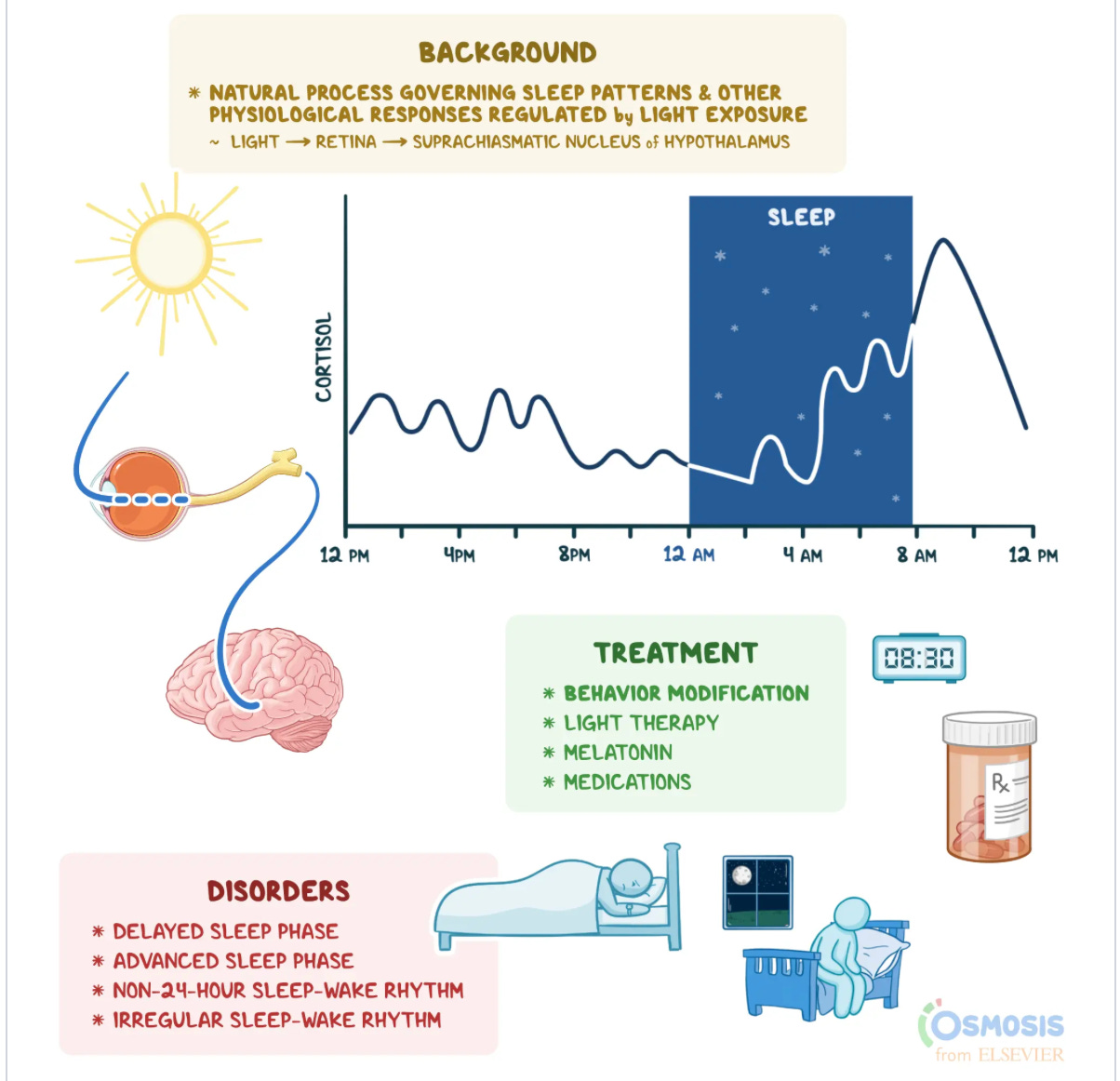
Your sleep-wake cycle is governed by two main systems:
Your circadian rhythm (your internal 24-hour clock)
And sleep pressure (the biological drive to sleep that builds throughout the day).
When these systems work in harmony, you fall asleep easily, stay asleep through the night, and wake up feeling restored.
When they’re out of sync—from irregular schedules, poor light exposure, metabolic stress, or environmental disruptions you get insomnia, the 3am wake-ups, and the groggy mornings.
The goal isn’t to hack your way into unconsciousness with a supplement stack.
It’s to support these natural systems so your body can do what it’s designed to do.
11 Evidence-Based Sleep Optimization Strategies
1. Use Acupuncture Treatment
Acupuncture raises nocturnal melatonin levels and reduces insomnia symptoms. It also increases GABA (gamma-aminobutyric acid), the primary inhibitory neurotransmitter that helps you calm down and alleviates sleep disturbances.
At first I was confused by it, how does putting needles into my body do anything? But after a few sessions working with a TCM practicer, I am sold.
Studies have found it highly effective in reducing sleep apnea and improving oxygen saturation. It can also help with restless leg syndrome, and for women in menopause, it can reduce the frequency of hot flashes and night sweats for up to six months after treatment.
Implementation: Look for licensed acupuncturists in your area who specialize in sleep disorders. Many accept insurance, and community acupuncture clinics offer sliding-scale pricing.
2. Improve Bedroom Air Quality
Poor indoor air quality can cause sleeping problems and reduce deep sleep by affecting respiratory organs.
The impact can be similar to secondhand smoke exposure. I live in an apartment building and god knows when the air ducts were last cleaned, so I’m serious about my air filters and houseplants.
I use Jaspr and Air Doctor air filters—one large Jaspr unit in my bedroom and three Air Doctor units in my main living space. The difference in how I breathe at night is noticeable.
Budget alternative: Open windows for cross-ventilation, add snake plants or pothos (they filter air naturally), and change HVAC filters monthly.
3. Consume Melatonin-Rich Foods
Instead of megadosing synthetic melatonin, try foods that naturally promote melatonin secretion:
Tart cherry juice or fresh cherries: Contain bioavailable melatonin that improves sleep quality
Kiwis: Promote serotonin production, which is a precursor to melatonin, improving sleep onset and duration
Almonds and pistachios: Contain small amounts of melatonin plus magnesium
4. Drink Electrolytes Before Sleep
Sodium restriction increases nighttime adrenaline levels and impairs sleep quality.
Sodium is essential for nervous system function, and deficiency activates the sympathetic nervous system (fight-or-flight)—the opposite of what you want before bed.
Magnesium deficiencies raise cortisol levels, whereas magnesium supplementation helps lower cortisol by reducing neuroinflammation and supporting the parasympathetic nervous system.
I love Kaizen electrolytes—it has sea moss, magnesium, and sodium in balanced ratios with no added fillers, fake sugar, and includes non-GMO vitamin C.
Implementation: Mix electrolytes in water 30-60 minutes before bed. Start with half the recommended dose to assess tolerance.
5. Reduce EMF Exposure at Night
EMF (electromagnetic field) exposure from cell phones and WiFi routers can increase EEG brain activity—specifically high-frequency beta and gamma waves—while reducing slow delta brain waves associated with deep sleep.
Simple protocol:
Turn off WiFi at night (or put it on a timer)
Keep your phone on airplane mode or in another room
Get grounded: Walk barefoot on grass or use grounding mats to help lower oxidative stress and inflammation from EMF exposure while maintaining the body’s negative electrical potential
6. Block Out Noise and Light
Make your room like a cave. This isn’t just aesthetic—it’s functional biology. Light exposure at night suppresses melatonin production and disrupts circadian rhythms.
Cave status checklist:
Blackout curtains or sleep mask
Red-light bulbs in your lamps (Bon Charge makes excellent ones that don’t disrupt melatonin)
Organic, cozy blankets that regulate temperature
White noise machine or fan for sound masking
7. Nasal Breathing and Mouth Taping
It seems bizarre until you try it. Nasal breathing at night has profound benefits for sleep quality, including improved oxygen utilization, proper jaw formation, parasympathetic nervous system activation, and reduced snoring.
When you breathe through your mouth at night, you bypass the nose’s natural filtration and humidification systems, leading to dry mouth, increased inflammation, and poorer sleep architecture.
Implementation: Start with medical-grade mouth tape designed for sleep (Hostage tape works well).
8. Sleep in a Cooler Room
Your body temperature naturally drops as you fall asleep.A room that’s too warm fights against this natural process.
Optimal sleep temperature is typically 60-67°F (15-19°C). This is where those cooling mats like Eight Sleep or Chilipad can genuinely help, but you can also achieve this with:
A fan
Moisture-wicking sheets
Lighter blankets
Open windows (if outside temperature allows)
9. Get Morning Sunlight, Avoid Light at Night
Morning sunlight exposure, even on cloudy days—sets your circadian rhythm and helps create nighttime melatonin 12-14 hours later. It also keeps your mood and energy levels stable throughout the day.
Morning protocol: Get outside within 30-60 minutes of waking for 10-30 minutes (longer on cloudy days, shorter on bright days).
Evening protocol: Start blocking out artificial blue light from screens and overhead lights 2-3 hours before bed. Use screen light blockers like f.lux or wear blue-light blocking glasses like RA Optics (my favorite—very stylish and actually work).
10. Maintain Consistent Sleep-Wake Times
This is the unsexy truth that nobody wants to hear: Your sleep-wake schedule consistency matters more than almost any supplement or gadget.
Going to bed and waking up at the same time every day—yes, even on weekends—strengthens your circadian rhythm and makes falling asleep and waking up easier over time.
Implementation: Choose a wake time you can maintain seven days a week. Work backward 7-9 hours to determine your bedtime. Use an alarm to wake up (no shame in this), and resist the urge to sleep in on weekends.
11. The Sleepy Time Mocktail
I’ll admit it—I love a good sleepy girl mocktail because they do work when formulated correctly.
There are hundreds of options everywhere, but my favorite is Bioptimizers Sleep Breakthrough.
Why it works:
Foundational minerals (Magnesium, Zinc, Vitamin B6): Support nervous system balance, muscle relaxation, and neurotransmitter function for better rest and recovery
Calming amino acids (L-Glycine, L-Theanine, L-Taurine): Promote relaxation and ease you into deeper sleep without next-day grogginess
Plant-based sleep support (Magnolia Bark Extract with Honokiol + Magnolol): Helps quiet the mind and support restful sleep by modulating stress response and reducing nighttime wake-ups
The Real Secret to Sleep Maxing
Here’s what I learned after spending thousands of dollars and obsessing over sleep scores: You don’t need to go crazy on sleep maxing and stop eating at noon.
Nighttime is fun. Sometimes we like to go out, enjoy life, and watch Palm Royale at night.
Don’t stress about achieving a perfect 100 sleep score. Follow these evidence-based strategies consistently, and you’ll be getting an A every single night.
The best sleep protocol is the one you can actually maintain.
Not the one that requires you to start your evening routine at lunch or take horse-sized doses of melatonin through unconventional delivery methods (speaking from experience here).
Sleep is restorative, essential, and worth optimizing. But it should enhance your life, not consume it.
Sweet dreams.
Resources for Going Deeper:
Find a licensed acupuncturist: NCCAOM Directory
Functional medicine practitioners: If you have persistent sleep issues despite good sleep hygiene, consider working with a functional medicine doctor to investigate root causes like hormone imbalances, nutrient deficiencies, or circadian rhythm disorders
Want to share your sleep maxing wins or struggles? Drop a comment below. I’m here to help you sleep better without the biohacker theatrics.
Will have to try all of these tips to get a goodnight sleep, thank you for sharing!!
im just TRYYYY putting down screens early for now 😭