

You've heard the hype about fasting.
From Silicon Valley biohackers to Reddit threads promising crazy fat loss, everyone seems to be skipping meals nowadays.
But as a high-performance athlete, losing hard-earned muscle or crashing your workouts is NOT on your agenda.
So, should you try intermittent fasting (IF)?
Can it actually improve performance and recovery, unlike traditional diets?
Let's dig in.
The good news is you absolutely CAN use strategic fasting to enhance fitness rather than destroy it. However, you need to tailor your fasting protocol and feeding window specifically to preserve muscle mass and power output.
Avoid bro-science blog posts aiming for unrealistic shredded 6-packs in 30 days.

To hack fasting properly for athletic performance, you’ll need to:
1. Understand exactly what happens in your body when fasting
2. Learn how to activate the benefits without the downsides
3. Design and test various durations to match your goals
The Biology of Fasting for Athletes
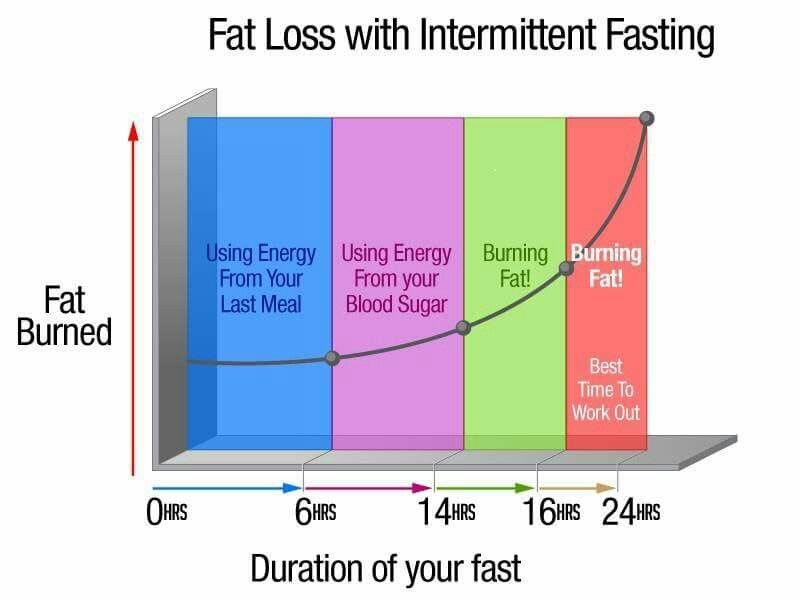
When you fast for 12+ hours, several biological processes kick in:
Lower insulin → Increased fat-burning
Ramped up ketone production
Anti-inflammatory and anti-aging cellular repair (autophagy)
Improved insulin sensitivity
This makes strategic fasting ideal for dropping body fat while maintaining muscle. However, if you take it too far with multi-day fasts, you’ll risk:
Muscle loss from lack of amino acids to rebuild tissue
Impaired workout recovery without nutrients
Tanked testosterone
Balancing your fasting enough to tap into fat loss without overdoing it is the key.
Activating Benefits Without Downsides
Follow these guidelines to maximize benefits while preserving muscle:
Daily fasts of 14-18 hours.
Overnight plus skipping breakfast allows fat burning while still having a feeding window for nutrients.
Breakfast with 10g EAAs to counter catabolism.
Work out during the fed state, not fasted state, for performance.
Adjust duration based on workouts. Add feeding time before/after hard sessions.
Consume 2-2.5g/kg protein per day to protect muscle tissue.
Supplement with vitamin D and zinc for hormone preservation.
The exact duration and timing will be individual. Track body composition changes and gym performance to assess results.

Finding Your Optimum Protocol
Start conservatively with a 14-hour overnight fast. Gradually increase the duration to find the “Goldilocks zone” that provides fat burning and autophagy without strength/muscle losses.
Pay attention to:
Body fat percentage and waist size
Gym performance – strength, endurance
Sleep quality, energy levels, mood
Hunger cues both morning and evening
Adjust your eating window until you find your “just right” fast length for supporting both fitness goals and lifestyle. Ride the edge of the challenge without overtaxing your body.
Strategically, fasting CAN improve body composition, recovery, and even performance when customized appropriately.
It all comes down to balance. Use fasting strategically for refinement rather than extreme deprivation.
With a dialled-in protocol tailored to your body and lifestyle, you can absolutely use intermittent fasting as a high-performance biohack.
I'm not an athlete, nor do I aspire to be one. But I have been doing intermittent fasting since 2012. Every since I saw Dr. Michael Mosley talk about it on the Horizon program. It sounded like a good idea. At first, it was a bit difficult, but that was such a long time ago, I don't remember it too distinctly. I do know I can watch cooking programs, watch others eat, see food and have no problem with it. The intermittent fasting has broken the cycle of munch, munch, munch that is so happens so easily on non-fasting days. I become more conscious of eating. I know I can't eat a small breakfast, a small lunch and a small dinner. I have to leave food alone all day until it's time for the evening meal. Otherwise I would be starving hungry. My weight has remained steady in all that time, but it may have done that anyway. I find it a very easy, very flexible way of addressing food, and it has the advantage of being something I don't talk about. I hate it when people moan about their diets and what they "can't eat." I eat whatever I want, within my one meal. In moderation, of course.
Fast so hard when food so good😔 such great article ❤️🐈😘